

Hey there! As a supplier of VDE Insulated T-handles, I often get asked about the electrical conductivity of the non-insulated part of these tools. It's a crucial question, especially when you're working in environments where electrical safety is a top priority. So, let's dive right in and explore this topic.
First off, let's understand what a VDE Insulated T-handle is. You can check out more details about it on this page: VDE Insulated T-handle. These T-handles are designed to provide a safe and efficient way to handle various tasks, especially in electrical work. They come with insulation that meets the VDE (Verband der Elektrotechnik) standards, which are well - known for ensuring high - quality electrical safety.
The non - insulated part of the VDE Insulated T - handle is usually made of metal. Metals are generally good conductors of electricity. But the key here is that the insulation on the handle is there to prevent electrical current from flowing through the user's hand when the tool comes into contact with live electrical parts.
The electrical conductivity of the non - insulated metal part depends on the type of metal used. Common metals used in tool manufacturing include steel and aluminum. Steel has a relatively high electrical conductivity. It contains iron and other elements, and its conductivity allows for the easy flow of electrons. Aluminum, on the other hand, also has good electrical conductivity. It's lighter than steel, which can be an advantage in some applications.
When it comes to measuring the electrical conductivity of these non - insulated parts, we use a unit called Siemens per meter (S/m). For example, copper, which is one of the best conductors, has an electrical conductivity of about 5.96×10⁷ S/m at 20°C. Steel typically has a conductivity in the range of 10⁶ S/m, and aluminum has a conductivity of around 3.77×10⁷ S/m.
Now, you might be wondering why we even have non - insulated parts on an insulated tool. Well, the non - insulated part is often necessary for the mechanical function of the tool. For example, the tip of the T - handle that engages with the fastener needs to be strong and durable, and metal is the best material for that. The insulation is carefully designed to cover the parts that the user is likely to touch, while leaving the functional parts non - insulated.
It's important to note that the insulation on the VDE Insulated T - handle is what really matters for safety. The insulation acts as a barrier between the live electrical current and the user. It's tested rigorously to ensure that it can withstand a certain amount of voltage without breaking down.
If you're using other related tools like Insulated Drive Adapters or VDE Insulated Hybrid Extension Bars, they also follow similar principles. The non - insulated parts are made of conductive materials for mechanical strength, and the insulation is there to protect the user.
When you're working with electrical systems, you need to be extra careful. Even though the non - insulated part of the VDE Insulated T - handle is conductive, the insulation should keep you safe as long as it's in good condition. Always inspect the insulation before using the tool. Look for any signs of damage, such as cuts, cracks, or burns. If you find any damage, don't use the tool.
Another factor that can affect the electrical conductivity of the non - insulated part is the presence of impurities or coatings on the metal. For instance, if the metal has a rust layer on it, the rust can act as an insulator to some extent, reducing the overall conductivity. But this is not a reliable way to prevent electrical flow, and rust can also weaken the mechanical strength of the tool.
In some cases, the non - insulated part might be coated with a thin layer of a material to prevent corrosion. This coating usually doesn't have a significant impact on the electrical conductivity as long as it's thin and doesn't completely cover the metal surface.
So, to sum it up, the non - insulated part of the VDE Insulated T - handle is conductive because it's made of metal. But the insulation on the handle is what makes the tool safe to use in electrical environments. The type of metal used determines the level of conductivity, and factors like impurities and coatings can have minor effects on it.

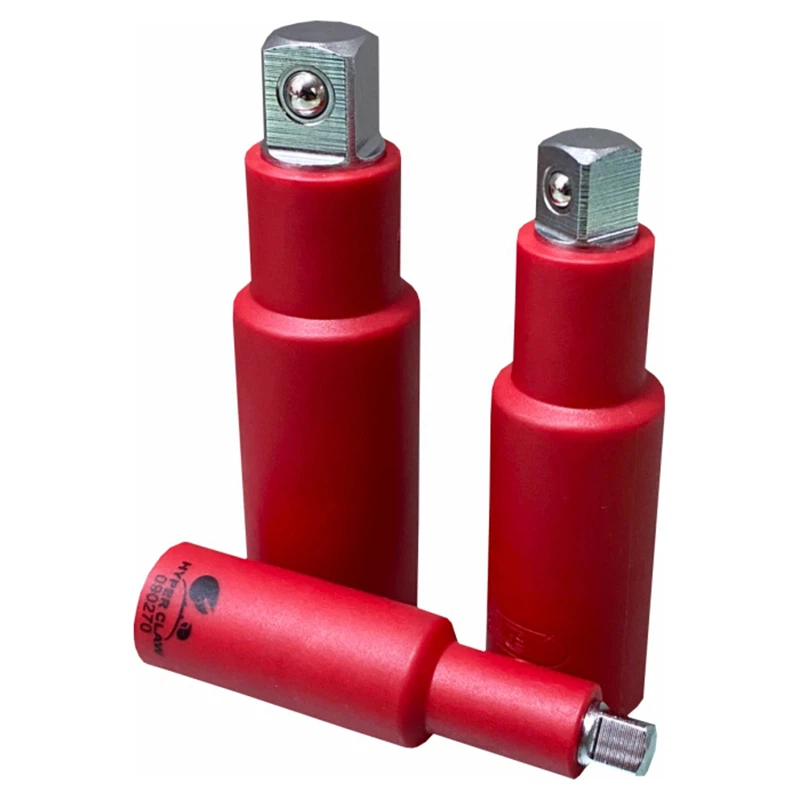
If you're in the market for high - quality VDE Insulated T - handles or related tools, we're here to help. Whether you're a professional electrician or a DIY enthusiast, having the right tools is essential for your safety and the success of your projects. We offer a wide range of VDE - compliant tools that are designed to meet your needs. If you're interested in learning more or making a purchase, feel free to reach out to us for a detailed discussion. We can provide you with all the information you need and help you choose the best tools for your specific requirements.
References
- Electrical Engineering textbooks on conductivity of metals
- VDE standards documentation on insulated tools