

As a VDE pliers supplier, I often encounter questions from customers regarding the appropriate use of our tools. One common query is whether VDE pliers can be used for working on power outlets. In this blog post, I'll delve into the technical aspects, safety considerations, and practical applications to provide a comprehensive answer.
Understanding VDE Pliers
VDE pliers, named after the Verband der Elektrotechniker (Association of Electrical Engineers), are designed to meet strict safety standards for electrical work. These pliers are insulated to protect the user from electric shock when working on live electrical circuits up to a certain voltage, typically 1000V AC or 1500V DC. The insulation is a crucial feature, made from materials that have high dielectric strength, preventing the flow of electricity through the tool and into the user's body.
The insulation on VDE pliers is tested rigorously to ensure its effectiveness. It undergoes a series of electrical tests, including high - voltage tests, to verify that it can withstand the rated voltage without breaking down. This makes VDE pliers a reliable choice for electricians and DIY enthusiasts working on electrical systems.
Working on Power Outlets: Technical Feasibility
Power outlets are an integral part of any electrical system, providing a connection point for electrical appliances. When working on power outlets, there are two main scenarios: working on a live outlet and working on a de - energized outlet.
Working on a De - Energized Outlet
When the power to the outlet is turned off, VDE pliers can be used just like any other standard pliers. You can use them to grip, bend, or cut wires. The insulation on VDE pliers, in this case, provides an extra layer of protection in case there is an accidental power surge or a mislabeled circuit breaker.
For example, when installing a new outlet, you may need to strip the insulation off the wires using the cutting edge of the pliers. The VDE - approved design ensures that the tool can handle these basic tasks efficiently while maintaining a high level of safety.
Working on a Live Outlet
Working on a live power outlet is a much more dangerous task and should only be attempted by trained professionals. VDE pliers are designed to be used on live circuits up to their rated voltage. However, it is not advisable to work on live outlets unless absolutely necessary.
If it is essential to work on a live outlet, the VDE - insulated pliers can be a valuable tool. They can help in making small adjustments, such as tightening or loosening terminal screws without the risk of electric shock if used correctly. But it's important to note that the user still needs to follow strict safety procedures, such as wearing appropriate personal protective equipment (PPE) like insulated gloves and goggles.
Advantages of Using VDE Pliers for Power Outlets
- Safety: The primary advantage of using VDE pliers for power outlet work is safety. The insulation reduces the risk of electric shock, protecting the user from potentially life - threatening injuries.
- Versatility: VDE pliers are not just for electrical work. They can also be used for general gripping and cutting tasks. This makes them a multi - purpose tool in the toolbox, whether you are working on power outlets or other electrical or non - electrical projects.
- Compliance: Using VDE - certified pliers ensures that you are following industry standards and best practices for electrical work. This is especially important in professional settings where compliance with safety regulations is mandatory.
Different Types of VDE Pliers for Power Outlet Work
There are several types of VDE pliers that can be used for working on power outlets.
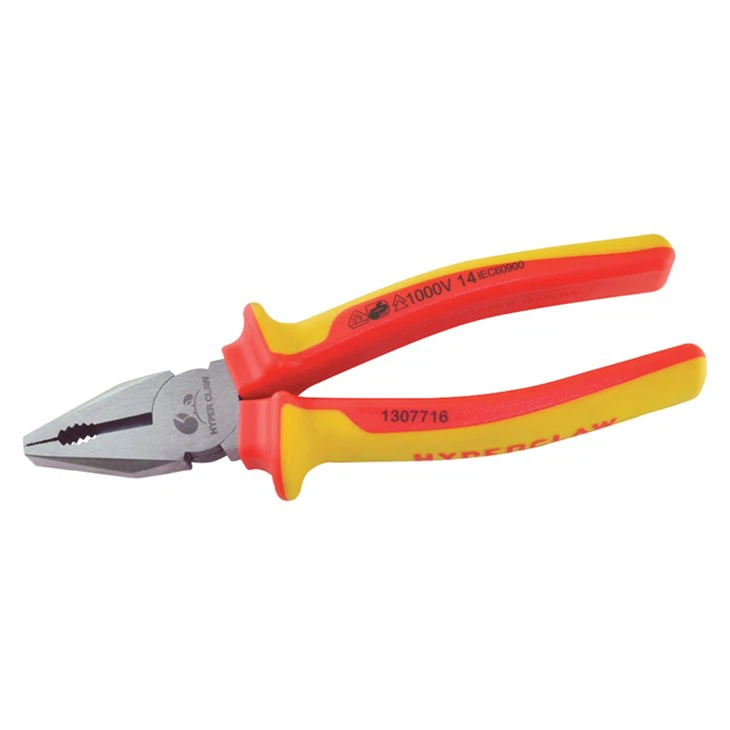

- VDE Combination Pliers: These pliers are a popular choice as they combine gripping jaws with a cutting edge. They can be used to grip wires, bend them, and also cut through small - gauge wires when working on power outlets.
- Kits Of VDE Pliers and Other Tools: These kits are convenient as they come with multiple tools that are commonly used for electrical work. You may find combination pliers, wire strippers, and other useful tools in these kits, making them a one - stop solution for power outlet installation and maintenance.
- VDE Cable Cutter: When dealing with larger cables or when you need to make clean cuts on wires, a VDE cable cutter can be very useful. It provides a precise and efficient way to cut through cables without damaging the insulation or the wires inside.
Safety Precautions When Using VDE Pliers on Power Outlets
- Inspect the Pliers: Before using VDE pliers on a power outlet, always inspect the insulation for any signs of damage, such as cuts, cracks, or abrasions. Damaged insulation can compromise the protection provided by the pliers, increasing the risk of electric shock.
- Follow Lock - Out/Tag - Out Procedures: When possible, turn off the power to the outlet and follow proper lock - out/tag - out procedures. This ensures that the circuit is de - energized and reduces the risk of accidental electrocution.
- Use Appropriate PPE: In addition to using VDE pliers, wear other appropriate personal protective equipment, such as insulated gloves, safety glasses, and non - conductive footwear.
Conclusion
In conclusion, VDE pliers can be used for working on power outlets, both when the outlet is de - energized and, with extreme caution, when it is live. The insulation on VDE pliers provides a crucial safety feature, protecting the user from electric shock. Different types of VDE pliers, such as combination pliers, cable cutters, and tool kits, offer versatility for various tasks related to power outlet work.
If you are in the market for high - quality VDE pliers for your electrical projects, especially those involving power outlets, we are here to assist you. Our range of VDE pliers is designed to meet the highest safety standards and provide reliable performance. Contact us to discuss your specific requirements and start a procurement negotiation.
References
- Electrical Safety Standards Manual, International Electrotechnical Commission
- Guide to Using Electrical Tools Safely, Occupational Safety and Health Administration
- Handbook of Electrical Insulation Materials and Their Applications