

Hey there! As a supplier of VDE Insulated Extensions, I've been getting a lot of questions lately about how these nifty tools perform in high - humidity areas. So, I thought I'd sit down and share some insights based on my experience and the knowledge I've gathered over the years.
First off, let's talk a bit about what VDE Insulated Extensions are. For those of you who aren't familiar, VDE Insulated Extensions are essential tools in electrical work. They're designed to provide extra reach when using torque wrenches and other tools, while also offering insulation to protect users from electrical hazards. VDE, which stands for Verband der Elektrotechnik, is a German organization that sets high - standards for electrical safety. So, when you see the VDE mark on an insulated extension, you know it meets some pretty strict safety requirements.
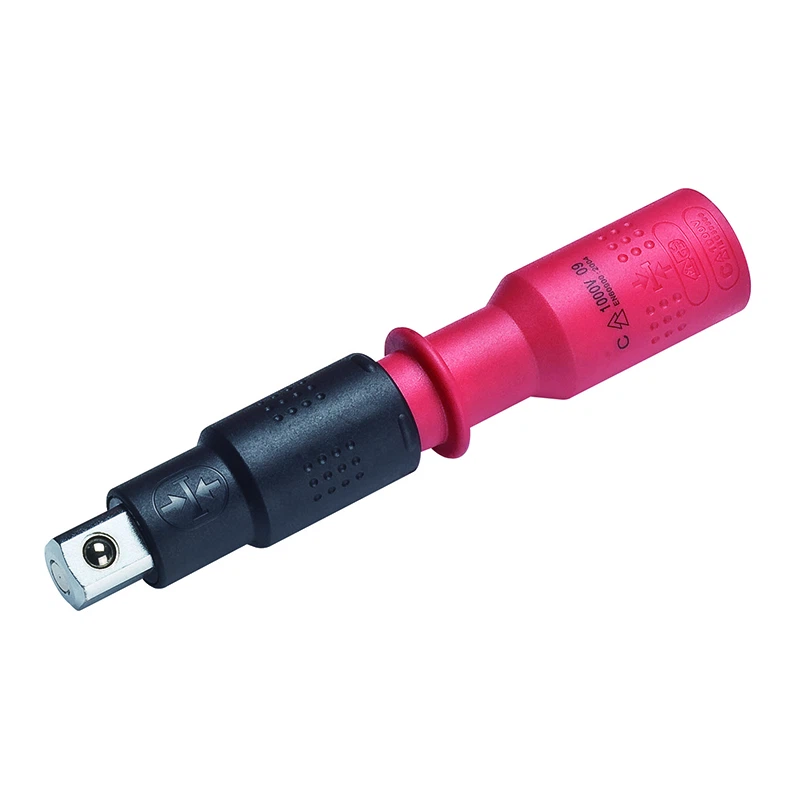

Now, high - humidity areas can be a real challenge for tools. Moisture in the air can cause all sorts of problems, like corrosion, rust, and electrical conductivity issues. When it comes to VDE Insulated Extensions, these are some of the key factors we need to consider.
One of the primary concerns in high - humidity areas is corrosion. The metal parts of the extensions are at risk of rusting when exposed to moisture over time. However, most VDE Insulated Extensions are made from high - quality metals that are treated to resist corrosion. For example, some are made from chrome - vanadium steel, which is known for its strength and corrosion resistance. This treatment helps to protect the metal from the effects of humidity, ensuring that the extensions last longer and maintain their structural integrity.
But it's not just about the metal. The insulation on these extensions is also crucial. The insulation is what keeps the user safe from electrical shocks. In high - humidity conditions, the insulation needs to be able to withstand the moisture without losing its insulating properties. Good VDE Insulated Extensions use high - quality insulating materials that are designed to resist moisture absorption. This means that even in a damp environment, the insulation will continue to provide a reliable barrier between the user and the electrical current.
Another aspect to consider is the electrical conductivity of the extensions. In high - humidity areas, there's a risk that moisture could create a conductive path on the surface of the tool, which could lead to electrical leakage. However, VDE Insulated Extensions are rigorously tested to ensure that they meet strict electrical safety standards. This includes testing in simulated high - humidity conditions to make sure that there's no significant increase in electrical conductivity.
I've also heard some concerns about the performance of VDE Insulated Torque Wrenches when used with extensions in high - humidity areas. The torque accuracy of a wrench is important for getting the job done right. The good news is that as long as the extensions are in good condition and properly maintained, they shouldn't have a significant impact on the torque accuracy of the wrench. The key is to keep the extensions clean and dry as much as possible and to check them regularly for any signs of damage.
VDE Insulated Hybrid Extension Bars are another option that can be particularly useful in high - humidity areas. These bars combine the best of both worlds, with a combination of metal and non - metal components. The non - metal parts are often made from materials that are even more resistant to moisture and corrosion than metal. This can provide an extra layer of protection in humid environments.
So, how do you take care of VDE Insulated Extensions in high - humidity areas? Here are some tips:
- Store them properly: When not in use, store the extensions in a dry place. You can use a toolbox with a desiccant pack to help absorb any moisture.
- Clean them regularly: After each use, wipe the extensions down with a dry cloth to remove any moisture or dirt.
- Inspect them frequently: Check the extensions for any signs of damage, such as cracks in the insulation or rust on the metal parts. If you notice any issues, replace the extension immediately.
In my experience, VDE Insulated Extensions can perform very well in high - humidity areas as long as they're properly maintained and used according to the manufacturer's instructions. They offer a great combination of safety and durability, even in challenging environments.
If you're working in a high - humidity area and need reliable VDE Insulated Extensions, I'd be more than happy to help. We have a wide range of products to suit different needs and budgets. Whether you're a professional electrician or a DIY enthusiast, we've got you covered. If you're interested in learning more or discussing your specific requirements, feel free to reach out to us. We can provide you with detailed product information and help you make the right choice for your project.
In conclusion, high - humidity areas don't have to be a deal - breaker for using VDE Insulated Extensions. With the right materials, proper maintenance, and a bit of common sense, these tools can be a valuable asset in your toolbox. So, don't let the humidity stop you from getting the job done safely and efficiently.
References:
- Industry standards set by VDE for electrical insulation.
- Technical specifications provided by manufacturers of VDE Insulated Extensions.
- Personal experience and observations from using and supplying VDE Insulated Extensions.