

When it comes to electrical work, safety is of utmost importance. VDE screwdrivers are essential tools in the electrical industry, designed to provide insulation and protection against electric shock. As a VDE screwdrivers supplier, I understand the significance of using these tools correctly and taking appropriate safety precautions. In this blog post, I will discuss the key safety measures that should be taken when using VDE screwdrivers.
1. Inspect the Screwdriver Before Use
Before using a VDE screwdriver, it is crucial to conduct a thorough inspection. Check for any visible damage to the insulation, such as cracks, cuts, or abrasions. Even a small defect in the insulation can compromise its effectiveness and put you at risk of electric shock. If you notice any damage, do not use the screwdriver and replace it immediately.
Additionally, examine the tip of the screwdriver. It should be in good condition, without any signs of wear or deformation. A damaged tip can slip out of the screw head, causing injury or damage to the work surface. Ensure that the tip is the correct size and shape for the screw you are working with to prevent slipping.

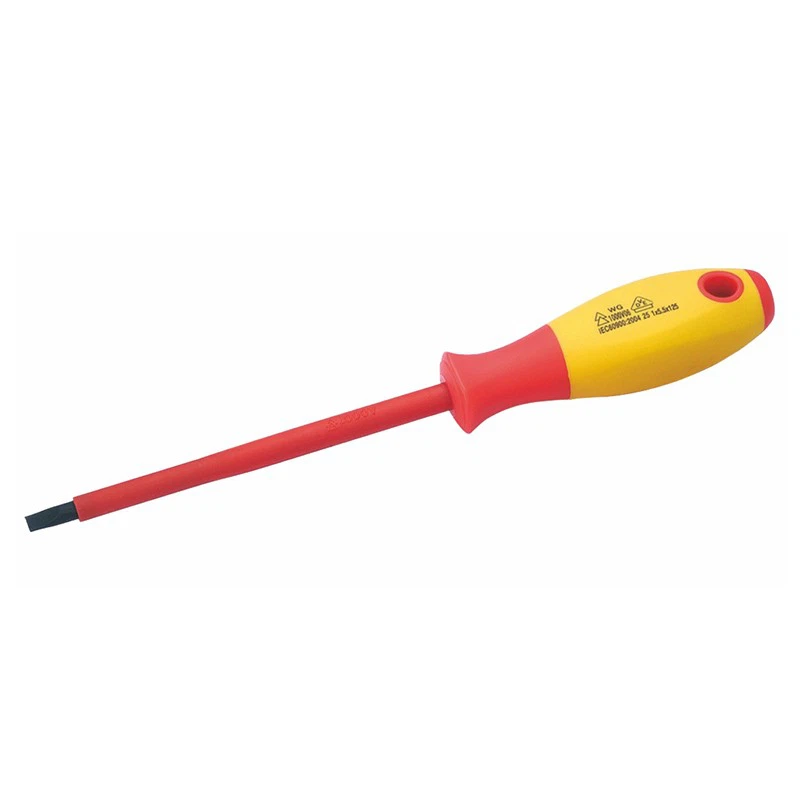
2. Use the Right Screwdriver for the Job
Using the appropriate VDE screwdriver for the specific task is essential for safety and efficiency. There are different types of VDE screwdrivers available, each designed for a particular type of screw. For example, VDE Phillips Screwdrivers are designed for Phillips-head screws, while VDE Slotted Screwdrivers are used for slotted screws. Using the wrong type of screwdriver can lead to stripped screws, damage to the tool, and potential safety hazards.
In addition to the type of screw, consider the size of the screwdriver. A screwdriver that is too large or too small for the screw can cause the tip to slip, increasing the risk of injury. Always choose a screwdriver that fits the screw properly.
3. Wear Appropriate Personal Protective Equipment (PPE)
When using VDE screwdrivers, it is important to wear the appropriate personal protective equipment (PPE) to protect yourself from potential hazards. This includes safety glasses to protect your eyes from flying debris, insulated gloves to provide an extra layer of protection against electric shock, and appropriate footwear to prevent slips and falls.
Insulated gloves should be rated for the voltage you are working with and should be in good condition. Check the gloves for any signs of damage before each use, and replace them if necessary. Safety glasses should provide adequate side protection to prevent debris from entering your eyes.
4. Work in a Safe Environment
Creating a safe working environment is essential when using VDE screwdrivers. Make sure the work area is well-lit and free of clutter. Remove any tripping hazards or obstacles that could cause you to lose your balance. If you are working on a ladder or elevated surface, ensure that it is stable and secure.
Avoid working in wet or damp conditions, as this can increase the risk of electric shock. If you need to work in a wet environment, use a screwdriver that is specifically designed for wet conditions and take additional safety precautions, such as wearing waterproof gloves and using a ground fault circuit interrupter (GFCI).
5. Follow Proper Handling Techniques
Proper handling techniques are crucial for using VDE screwdrivers safely. Hold the screwdriver firmly by the handle, using a comfortable grip. Avoid applying excessive force, as this can cause the screwdriver to slip or break. Instead, use a steady, controlled motion to turn the screw.
When inserting the screwdriver into the screw head, make sure it is fully seated. This will help prevent the tip from slipping and reduce the risk of injury. If the screw is difficult to turn, do not force it. Instead, check to see if the screw is stuck or if there is a problem with the tool.
6. Avoid Overloading the Screwdriver
VDE screwdrivers are designed to handle a specific amount of torque. Overloading the screwdriver by applying too much force can cause the tool to break or the insulation to fail, increasing the risk of electric shock. Make sure you are using the screwdriver within its rated capacity.
If you need to apply more torque than the screwdriver can handle, consider using a different tool, such as a power drill or a torque wrench. These tools can provide more power and control, reducing the risk of damage to the screwdriver and the screw.
7. Store the Screwdriver Properly
Proper storage of VDE screwdrivers is important to maintain their performance and safety. Store the screwdrivers in a dry, cool place, away from direct sunlight and heat sources. Keep them in a toolbox or storage case to protect them from damage and to prevent them from getting lost.
Inspect the screwdrivers regularly during storage to ensure that they are in good condition. If you notice any signs of damage or wear, replace the screwdriver immediately.
8. Train and Educate Yourself
Proper training and education are essential for using VDE screwdrivers safely. Make sure you are familiar with the manufacturer's instructions and safety guidelines for the screwdriver you are using. If you are new to using VDE screwdrivers, consider taking a training course or seeking guidance from an experienced professional.
Stay up-to-date with the latest safety standards and regulations in the electrical industry. This will help you ensure that you are using the screwdrivers in a safe and compliant manner.
Conclusion
Using VDE screwdrivers safely requires a combination of proper inspection, selection, handling, and storage. By following these safety precautions, you can minimize the risk of electric shock, injury, and damage to the tool. As a VDE screwdrivers supplier, I am committed to providing high-quality tools and promoting safety in the electrical industry.
If you are in the market for VDE screwdrivers or have any questions about their safe use, please do not hesitate to contact us. We would be happy to assist you with your procurement needs and provide you with the information and support you need to use our products safely and effectively.
References
- Electrical Safety Foundation International. (n.d.). Electrical Safety Tips. Retrieved from [Website URL]
- Occupational Safety and Health Administration (OSHA). (n.d.). Electrical Safety Standards. Retrieved from [Website URL]
- Manufacturer's Instructions and Safety Guidelines for VDE Screwdrivers.