

As a supplier of VDE Insulated Extensions, I often get asked about the weight of these essential tools. Understanding the weight of VDE Insulated Extensions is crucial for various reasons, from ease of use to safety considerations. In this blog post, I'll delve into the factors that influence the weight of these extensions, why it matters, and how it can impact your work.
What are VDE Insulated Extensions?
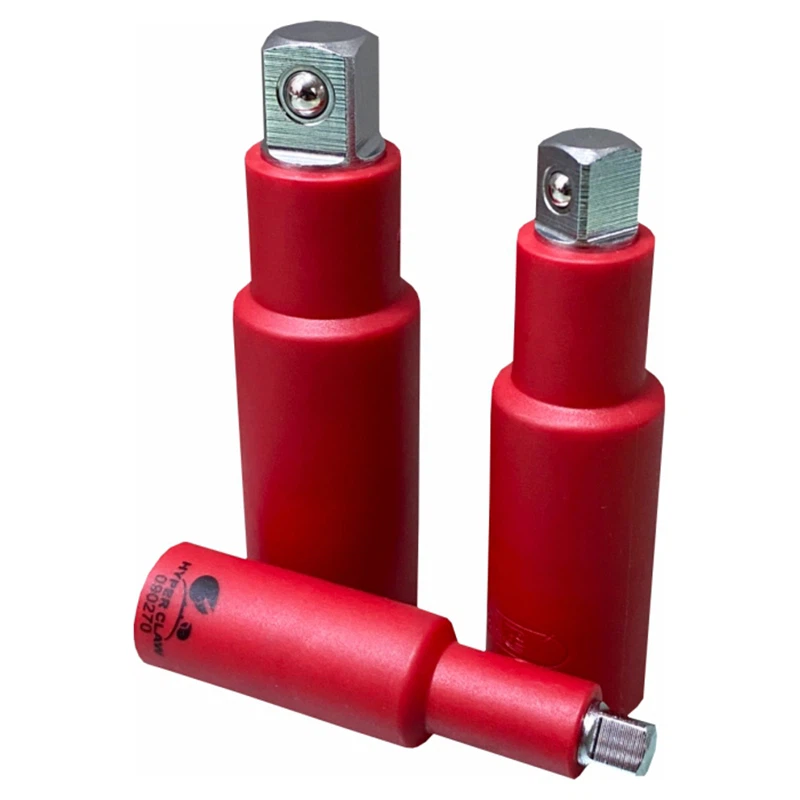
Before we dive into the weight aspect, let's briefly understand what VDE Insulated Extensions are. VDE, which stands for Verband der Elektrotechnik, is a German organization that sets strict safety standards for electrical tools. VDE Insulated Extensions are tools designed to provide additional reach when working on electrical equipment while ensuring the user's safety by preventing electrical shock. These extensions are commonly used in industries such as electrical engineering, maintenance, and construction.
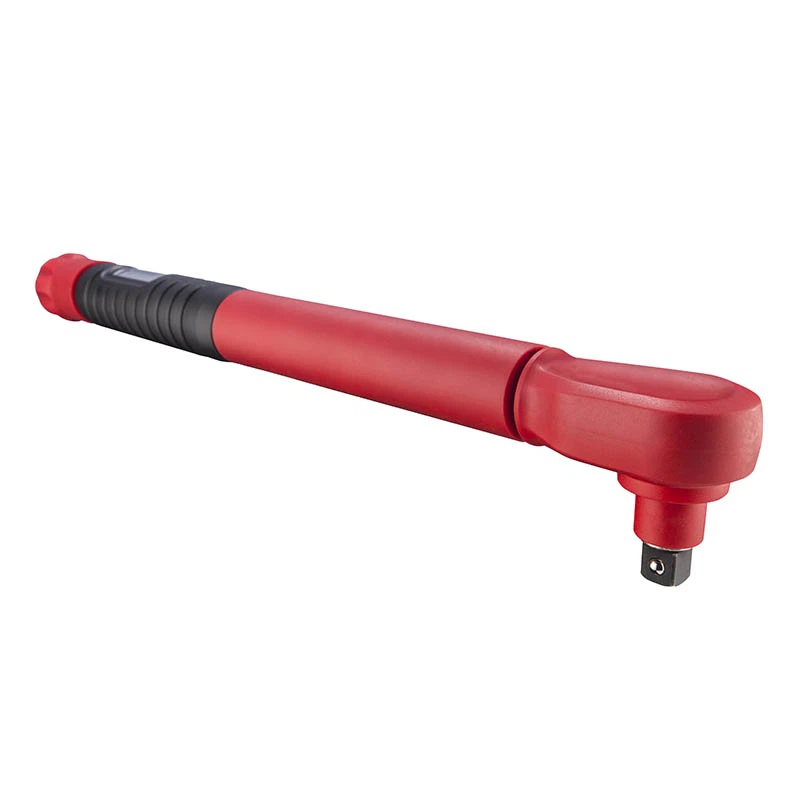
There are different types of VDE Insulated Extensions available in the market, including VDE Insulated T-handle, VDE Insulated Hybrid Extension Bars, and VDE Insulated Torque Wrenches. Each type serves a specific purpose and may have different weight characteristics.
Factors Influencing the Weight of VDE Insulated Extensions
The weight of VDE Insulated Extensions can vary significantly depending on several factors. Here are some of the key factors that influence the weight:
Material
The material used in the construction of the extensions plays a major role in determining their weight. Most VDE Insulated Extensions are made of high-quality steel or a combination of steel and other materials. Steel is a dense material, and extensions made entirely of steel tend to be heavier. However, some manufacturers use lighter materials such as aluminum or composite materials to reduce the weight without compromising on strength and insulation properties.
Length
The length of the extension is another important factor. Longer extensions generally weigh more than shorter ones. This is because more material is required to achieve the desired length. When choosing an extension, it's important to consider the length you need for your specific application. While longer extensions provide greater reach, they may also be more cumbersome to handle due to their increased weight.
Design and Construction
The design and construction of the extension can also affect its weight. Some extensions may have additional features such as ergonomic handles or built-in torque mechanisms, which can add to the overall weight. Additionally, the way the insulation is applied and the thickness of the insulation layer can also contribute to the weight.
Size and Socket Type
The size and socket type of the extension can also influence its weight. Larger sockets and extensions with larger drive sizes typically weigh more than smaller ones. This is because they require more material to accommodate the larger components.
Why Does the Weight of VDE Insulated Extensions Matter?
The weight of VDE Insulated Extensions matters for several reasons, including:
Ease of Use
A lighter extension is generally easier to handle and maneuver, especially when working in tight spaces or for extended periods. Heavy extensions can cause fatigue and make it more difficult to perform precise tasks. By choosing a lighter extension, you can improve your productivity and reduce the risk of injuries.
Safety
The weight of the extension can also impact safety. If an extension is too heavy, it may be more difficult to control, increasing the risk of dropping the tool or causing it to slip. This can be particularly dangerous when working on electrical equipment, as it can lead to electrical shock or other accidents. A lighter extension is easier to hold securely, reducing the risk of accidents.
Portability
If you need to carry your tools with you to different job sites, the weight of the extensions can be a significant factor. Lighter extensions are more portable and easier to transport, allowing you to move around more freely and efficiently.
How to Choose the Right Weight for Your Needs
When choosing VDE Insulated Extensions, it's important to consider your specific needs and requirements. Here are some tips to help you choose the right weight:
Consider the Application
Think about the type of work you'll be doing and the specific tasks you'll need the extension for. If you'll be working in tight spaces or for extended periods, a lighter extension may be more suitable. On the other hand, if you need to apply a lot of torque or work on heavy-duty equipment, a heavier extension may be necessary.
Evaluate Your Strength and Endurance
Consider your own strength and endurance when choosing an extension. If you have limited strength or are prone to fatigue, a lighter extension may be a better choice. However, if you're strong and have good endurance, you may be able to handle a heavier extension without any issues.
Try Before You Buy
If possible, try out different extensions before making a purchase. This will give you a better idea of how they feel in your hand and how easy they are to use. You can also test the weight and balance of the extension to see if it suits your needs.
Conclusion
The weight of VDE Insulated Extensions is an important factor to consider when choosing the right tool for your needs. By understanding the factors that influence the weight and why it matters, you can make an informed decision and choose an extension that is both safe and easy to use. Whether you're a professional electrician or a DIY enthusiast, investing in high-quality VDE Insulated Extensions is essential for ensuring your safety and getting the job done right.
If you're interested in learning more about our VDE Insulated Extensions or have any questions about the weight or other features, please don't hesitate to contact us. We're here to help you find the right tools for your needs and provide you with the best possible service.
References
- VDE - Verband der Elektrotechnik e.V.
- Industry standards and guidelines for electrical tools