

What is the load - bearing capacity of VDE Insulated Ratchets?
As a supplier of VDE Insulated Ratchets, I often get asked about the load - bearing capacity of these essential tools. In this blog post, I'll delve into the details of what load - bearing capacity means for VDE Insulated Ratchets, the factors that influence it, and why it matters in various applications.
Understanding Load - Bearing Capacity
Load - bearing capacity refers to the maximum amount of force or torque that a tool can withstand without experiencing permanent deformation or failure. For VDE Insulated Ratchets, this is a crucial specification as they are commonly used in electrical and mechanical work where precise and reliable torque application is required.
When a user applies force to a ratchet, the internal components, such as the gears, pawls, and the drive mechanism, are under stress. The load - bearing capacity determines how much of this stress the ratchet can handle before it starts to malfunction. If a ratchet is subjected to a load greater than its capacity, it may break, leading to potential safety hazards and costly downtime.
Factors Affecting the Load - Bearing Capacity
-
Material Quality
The materials used in the construction of VDE Insulated Ratchets play a significant role in determining their load - bearing capacity. High - quality steel alloys are commonly used for the internal gears and drive components. These alloys are chosen for their strength, durability, and resistance to wear. For example, chrome - vanadium steel is a popular choice as it offers excellent hardness and toughness, allowing the ratchet to withstand high levels of torque.
The insulation material also affects the overall performance of the ratchet. VDE Insulated Ratchets are designed to provide electrical insulation, and the quality of the insulation material can impact the tool's ability to handle mechanical loads. A well - engineered insulation layer should not only provide electrical protection but also contribute to the structural integrity of the ratchet. -
Design and Engineering
The design of the ratchet is another critical factor. The shape and size of the gears, the number of teeth on the gear, and the configuration of the pawl mechanism all influence the load - bearing capacity. A ratchet with a larger gear diameter and more teeth can distribute the load more evenly, reducing the stress on individual teeth and increasing the overall capacity.
The engineering of the drive mechanism, such as the way the pawl engages with the gear, also affects how the ratchet handles torque. A well - designed drive mechanism ensures smooth operation and efficient transfer of force, allowing the ratchet to handle higher loads. -
Manufacturing Process
The manufacturing process used to produce VDE Insulated Ratchets can have a significant impact on their load - bearing capacity. Precision machining techniques are used to ensure that the internal components are accurately sized and shaped. This precision is essential for proper gear meshing and smooth operation.
Heat treatment processes, such as quenching and tempering, are also used to enhance the strength and hardness of the steel components. These processes can significantly improve the load - bearing capacity of the ratchet by making the materials more resistant to deformation and wear.
Importance of Load - Bearing Capacity in Different Applications
-
Electrical Work
In electrical work, VDE Insulated Ratchets are used to tighten and loosen electrical connections. These connections need to be tightened to a specific torque to ensure proper electrical conductivity and prevent overheating. If a ratchet with insufficient load - bearing capacity is used, it may not be able to apply the required torque, leading to loose connections and potential electrical hazards.
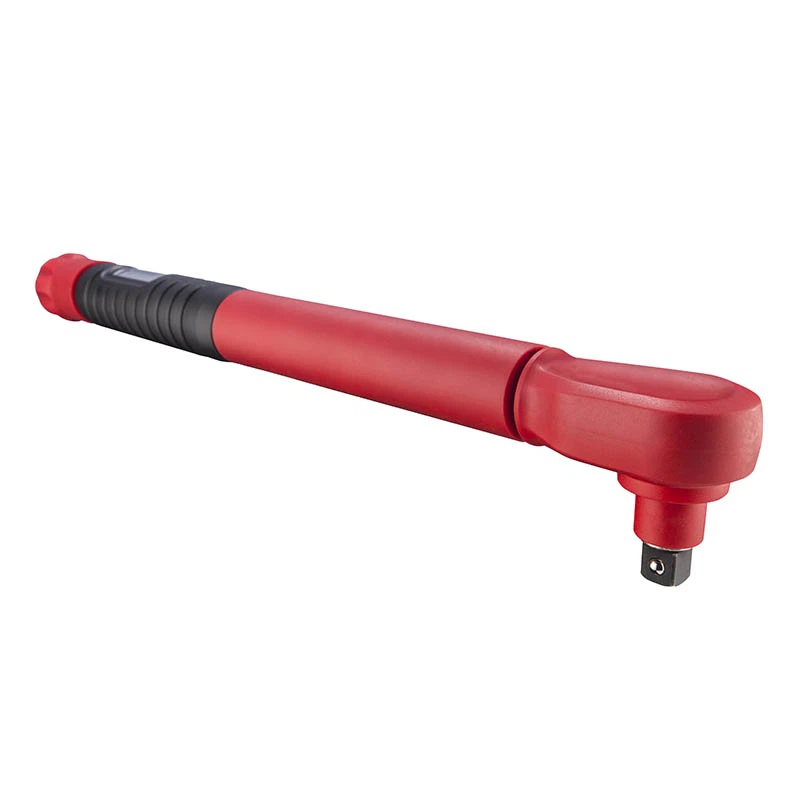
For example, when installing circuit breakers or connecting bus bars, a VDE Insulated Ratchet with the appropriate load - bearing capacity is essential to ensure a safe and reliable electrical installation.
-
Mechanical Assembly
In mechanical assembly, VDE Insulated Ratchets are used to assemble and disassemble various components. Different parts of a machine may require different levels of torque for proper installation. A ratchet with a high load - bearing capacity is needed for tasks such as tightening bolts on heavy - duty machinery or assembling large structures.
Using a ratchet with the correct load - bearing capacity ensures that the components are assembled correctly, reducing the risk of mechanical failure and improving the overall performance of the machine.
How to Determine the Right Load - Bearing Capacity
When selecting a VDE Insulated Ratchet, it's important to consider the specific application and the torque requirements. Most manufacturers provide torque ratings for their ratchets, which indicate the maximum load - bearing capacity. These ratings are typically based on standardized testing procedures.
It's also a good idea to consult with an expert or refer to industry standards. For example, in the electrical industry, there are specific standards for the torque requirements of electrical connections. By following these standards and choosing a ratchet with an appropriate load - bearing capacity, you can ensure the safety and efficiency of your work.
Related VDE Insulated Tools
In addition to VDE Insulated Ratchets, there are other related tools that can be used in conjunction with them. Insulated Drive Adapters are used to extend the reach of the ratchet or to adapt it to different socket sizes. These adapters also have their own load - bearing capacities, which should be considered when using them with a ratchet.
VDE Insulated Torque Wrenches are another important tool in the electrical and mechanical toolbox. They allow for precise torque application, ensuring that the correct amount of force is applied to a fastener. Like ratchets, the load - bearing capacity of torque wrenches is determined by factors such as material quality, design, and manufacturing process.
Conclusion
The load - bearing capacity of VDE Insulated Ratchets is a critical specification that determines their performance and safety in various applications. By understanding the factors that affect this capacity, such as material quality, design, and manufacturing process, users can make informed decisions when selecting a ratchet.
As a supplier of VDE Insulated Ratchets, I am committed to providing high - quality tools that meet the highest standards of load - bearing capacity and safety. If you are in the market for VDE Insulated Ratchets or have any questions about their load - bearing capacity, I encourage you to contact me for more information and to discuss your specific requirements. Our team of experts is ready to assist you in finding the right tools for your needs.
References
- Machinery's Handbook, 31st Edition, Industrial Press Inc.
- Electrical Installation Handbook, Schneider Electric