

As a trusted supplier of VDE Insulated T - handle, I often encounter inquiries from our customers about the proper disposal methods of worn - out tools. In this blog, I'll explore the various aspects of disposing of a worn - out VDE Insulated T - handle, ensuring that we follow best practices for both environmental protection and safety.
Understanding VDE Insulated T - handles
Before delving into the disposal methods, it's crucial to understand what a VDE Insulated T - handle is. These tools are designed for use in electrical work, where safety is of utmost importance. The insulation provided by VDE (Verband der Elektrotechnik, Elektronik und Informationstechnik) certification ensures that the tool can be used safely in live electrical systems up to a certain voltage level.

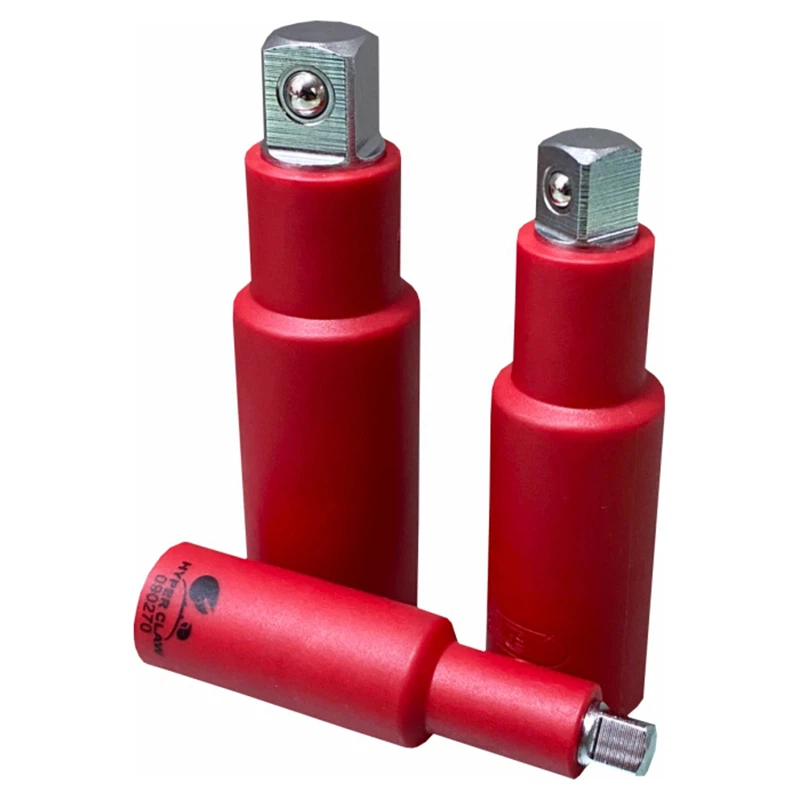
The VDE Insulated T - handle typically consists of a metal core for strength and torque transmission, and a high - quality insulating material around it. This insulation not only protects the user from electrical shock but also helps prevent short - circuits in the electrical system. Over time, however, the insulation can wear out due to regular use, exposure to harsh environments, or mechanical damage.
Why Proper Disposal Matters
Proper disposal of a worn - out VDE Insulated T - handle is essential for several reasons. First and foremost, it is a matter of safety. A damaged or worn - out insulating layer can pose a significant risk of electrical shock to anyone who comes into contact with the tool. Secondly, environmental concerns are at stake. Many of the materials used in these tools, especially the insulating plastics and certain metals, can be harmful if not disposed of correctly. They may leach into the soil or water supply, causing pollution and potential harm to wildlife and human health.
Identifying a Worn - out VDE Insulated T - handle
Before disposing of a VDE Insulated T - handle, you need to accurately determine if it is indeed worn out. Here are some signs to look for:
- Insulation Damage: Check for visible cracks, cuts, or abrasions on the insulating layer. Even a small breach in the insulation can compromise its effectiveness.
- Discoloration: If the insulation has changed color significantly, it may be a sign of degradation due to exposure to heat, chemicals, or UV radiation.
- Loss of Flexibility: The insulation should have a certain degree of flexibility. If it becomes brittle or rigid, it may no longer provide adequate protection.
- Electrical Testing: If possible, use appropriate electrical testing equipment to check the insulation resistance. A low resistance value indicates that the insulation is no longer performing as it should.
Disposal Methods
Recycling
Recycling is one of the most environmentally friendly ways to dispose of a worn - out VDE Insulated T - handle. Many recycling facilities are equipped to handle different types of metals and plastics. However, the process can be a bit complex due to the combination of materials in the tool.
- Contact a Specialized Recycling Center: Look for a recycling center that specializes in electrical tools or is experienced in handling composite materials. They will have the necessary equipment to separate the metal core from the insulating material for proper recycling.
- Separate the Materials if Possible: If you have the skills and tools, you can try to separate the metal and plastic components of the T - handle before sending them to the recycling center. This will make the recycling process more efficient.
Return to the Manufacturer
Some manufacturers offer take - back programs for their worn - out tools. As a VDE Insulated T - handle supplier, we encourage our customers to check with the manufacturer to see if such a program is available. By returning the tool to the manufacturer, you can ensure that it will be disposed of or recycled in an environmentally responsible manner. The manufacturer may also use the returned tools for research and development purposes, improving the design and materials of future products.
Hazardous Waste Disposal
In some cases, a worn - out VDE Insulated T - handle may be considered hazardous waste. This is especially true if the insulating material contains certain chemicals or heavy metals that can be harmful to the environment. If this is the case, you must follow your local regulations for hazardous waste disposal.
- Contact Your Local Waste Management Authority: They can provide you with information on how to properly label, store, and transport the hazardous waste to the appropriate disposal facility.
- Use a Licensed Hazardous Waste Disposal Company: These companies are trained and equipped to handle hazardous waste safely and in compliance with all relevant regulations.
Preventing Premature Wear and Tear
While proper disposal is important, it's also beneficial to take steps to prevent premature wear and tear of your VDE Insulated T - handle. Here are some tips:
- Proper Storage: Store the tool in a clean, dry place away from direct sunlight and extreme temperatures. This will help prevent the degradation of the insulating material.
- Regular Inspection: Inspect the tool regularly for signs of damage or wear. Catching problems early can allow you to take corrective action before the tool becomes unsafe.
- Correct Usage: Use the tool only within its specified limits. Avoid using it for tasks that it is not designed for, as this can cause unnecessary stress on the tool and its insulation.
Our Other VDE Insulated Tools
In addition to the VDE Insulated T - handle, we also offer a wide range of other VDE insulated tools, such as VDE Insulated Ratchets and VDE Insulated Hybrid Extension Bars. These tools are also designed with the same high - quality insulation and safety standards, ensuring reliable performance in electrical work.
Contact Us for Procurement
If you are in the market for high - quality VDE insulated tools, we invite you to contact us for procurement. We have a team of experts ready to assist you in finding the right tools for your specific needs. Whether you are a professional electrician or a DIY enthusiast, we can provide you with the tools and support you require.
References
- Electrical Safety Standards Handbook
- Environmental Protection Agency Guidelines on Tool Disposal
- Manufacturer's Manuals for VDE Insulated Tools