

When it comes to working with electrical systems, safety is of paramount importance. Insulated tools play a crucial role in protecting workers from electrical hazards, and insulated gear wrenches are no exception. As a supplier of VDE Insulated Gear Wrench, I often get asked about how the VDE standard for insulated gear wrenches compares to other standards. In this blog post, I'll delve into the details of the VDE standard and compare it with some of the other well - known standards in the industry.
Understanding the VDE Standard
The VDE (Verband der Elektrotechnik Elektronik Informationstechnik) is a German association that has been at the forefront of setting standards for electrical safety for over a century. The VDE standard for insulated tools, including gear wrenches, is highly respected worldwide.
To meet the VDE standard, insulated gear wrenches must undergo a series of rigorous tests. Firstly, the insulation material used in the wrench must have excellent dielectric properties. This means it can withstand high - voltage electrical currents without breaking down. The wrenches are tested at a specific test voltage, which is usually much higher than the rated voltage for which the tool is designed. For example, a VDE - compliant insulated gear wrench rated for 1000V might be tested at 15,000V for a certain period to ensure its insulation integrity.

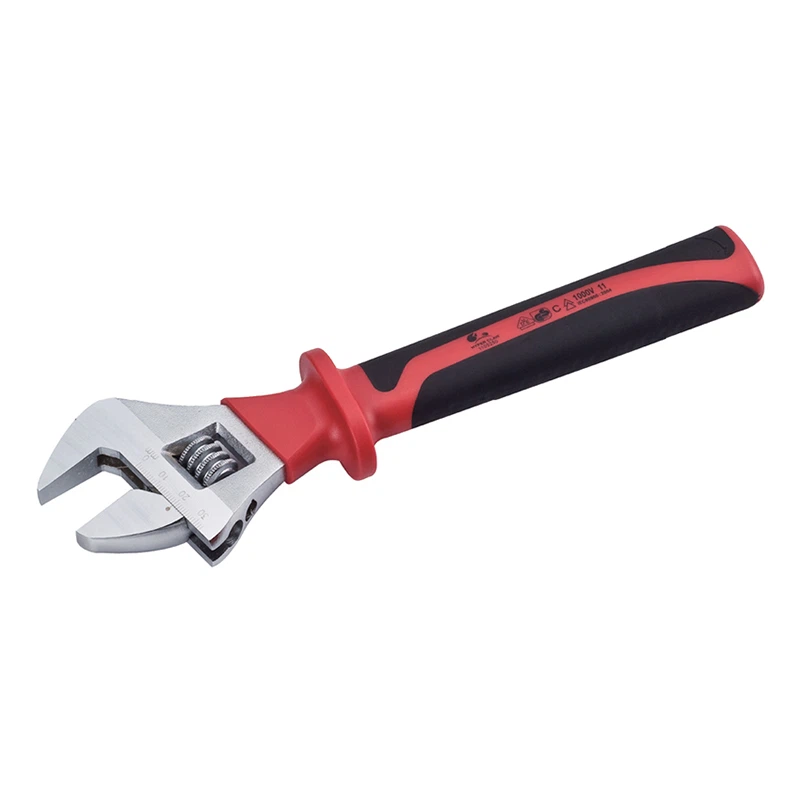
Secondly, the mechanical properties of the wrench are also carefully evaluated. The jaws of the gear wrench must be able to grip fasteners securely without slipping, even under high torque. The overall construction of the wrench should be robust enough to withstand normal wear and tear during regular use.
Comparison with the IEC Standard
The International Electrotechnical Commission (IEC) is another major organization that sets international standards for electrical equipment and tools. The IEC standard for insulated tools, such as IEC 60900, also focuses on electrical safety and performance.
One of the key similarities between the VDE and IEC standards is the emphasis on dielectric strength. Both require the insulation of the tools to be able to withstand high - voltage testing. However, there are some differences in the testing procedures. The VDE standard often has more detailed and stringent requirements in certain aspects. For example, VDE may have more specific requirements regarding the thickness and quality of the insulation material.
In terms of mechanical performance, the IEC standard provides a general framework for the functionality of the tools. But the VDE standard may go a step further by requiring additional tests to ensure the long - term durability and reliability of the insulated gear wrenches. For instance, VDE might test the wrenches under different environmental conditions, such as high humidity or extreme temperatures, to simulate real - world working scenarios.
Comparison with the ANSI Standard
The American National Standards Institute (ANSI) sets standards for various industries in the United States, including electrical tools. The ANSI standard for insulated tools, such as ANSI/ISEA 106, also aims to protect workers from electrical hazards.
Similar to the VDE and IEC standards, ANSI requires insulated tools to have proper insulation to prevent electrical shock. However, the test voltages and testing methods can differ. ANSI standards may have different test voltage levels and time durations for the insulation tests.
The ANSI standard also places a strong emphasis on the labeling of the tools. Tools compliant with ANSI standards must have clear and accurate markings indicating their rated voltage and other important safety information. While the VDE standard also requires proper labeling, the specific requirements for the content and format of the labels may vary.
Advantages of VDE - Compliant Insulated Gear Wrenches
One of the main advantages of VDE - compliant insulated gear wrenches is their high - quality insulation. The strict testing procedures ensure that the insulation can effectively protect the user from electrical shock, even in demanding working environments. This gives workers an added sense of security when working on live electrical circuits.
Another advantage is the long - term reliability of VDE - compliant wrenches. The comprehensive mechanical testing means that these wrenches are built to last. They can withstand repeated use and abuse without losing their functionality or safety features.
VDE - compliant insulated gear wrenches are also recognized and respected in the global market. Many European and international customers prefer tools that meet the VDE standard because of its reputation for quality and safety. This can be a significant advantage for businesses that operate in the international market.
Our Product Range
In addition to our VDE Insulated Gear Wrench, we also offer a wide range of other VDE - compliant insulated tools. Our VDE Insulated Adjustable Wrench provides flexibility in adjusting to different fastener sizes, while our VDE Insulated Offset Ring Spanners are ideal for working in tight spaces. All of our products are manufactured to the highest VDE standards, ensuring the safety and satisfaction of our customers.
Conclusion
In conclusion, the VDE standard for insulated gear wrenches offers a high level of safety and quality. While there are similarities with other standards such as IEC and ANSI, the VDE standard often has more detailed and stringent requirements in certain areas. This results in VDE - compliant insulated gear wrenches that are reliable, durable, and safe to use.
If you are in the market for high - quality insulated gear wrenches or other insulated tools, we invite you to explore our product range. We are committed to providing our customers with the best products that meet the highest safety standards. Whether you are an electrical contractor, a maintenance worker, or an industrial user, our VDE - compliant tools can help you work safely and efficiently. If you have any questions or are interested in placing an order, please feel free to contact us for further discussion. We look forward to serving you and meeting your insulated tool needs.
References
- VDE Association official documentation on insulated tool standards
- IEC 60900 standard documents
- ANSI/ISEA 106 standard documents