

As a supplier of VDE Insulated Extensions, I understand the critical importance of ensuring the functionality and safety of these tools. VDE (Verband der Elektrotechnik) insulation is a standard that guarantees a high level of protection against electrical hazards, making these extensions essential for professionals working in electrical environments. In this blog post, I will share the methods and procedures I use to test the functionality of VDE Insulated Extensions to ensure they meet the highest standards.
Understanding VDE Insulated Extensions
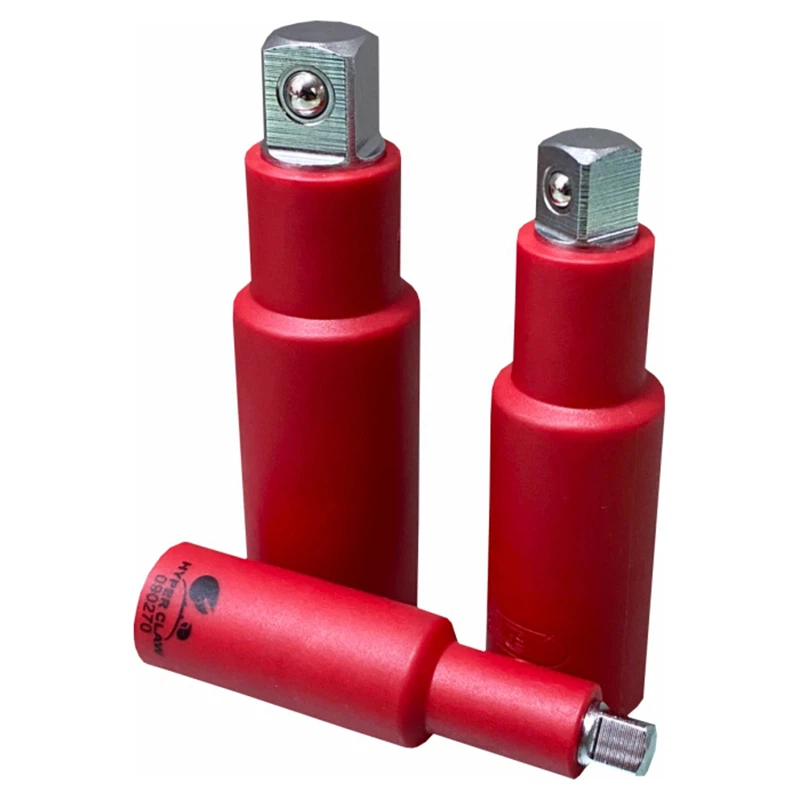
Before diving into the testing process, it's important to understand what VDE Insulated Extensions are and why they are so crucial. VDE Insulated Extensions are designed to provide additional reach when using torque wrenches or other tools in electrical applications. They are made with special insulating materials that prevent electrical current from passing through, protecting the user from electric shock.
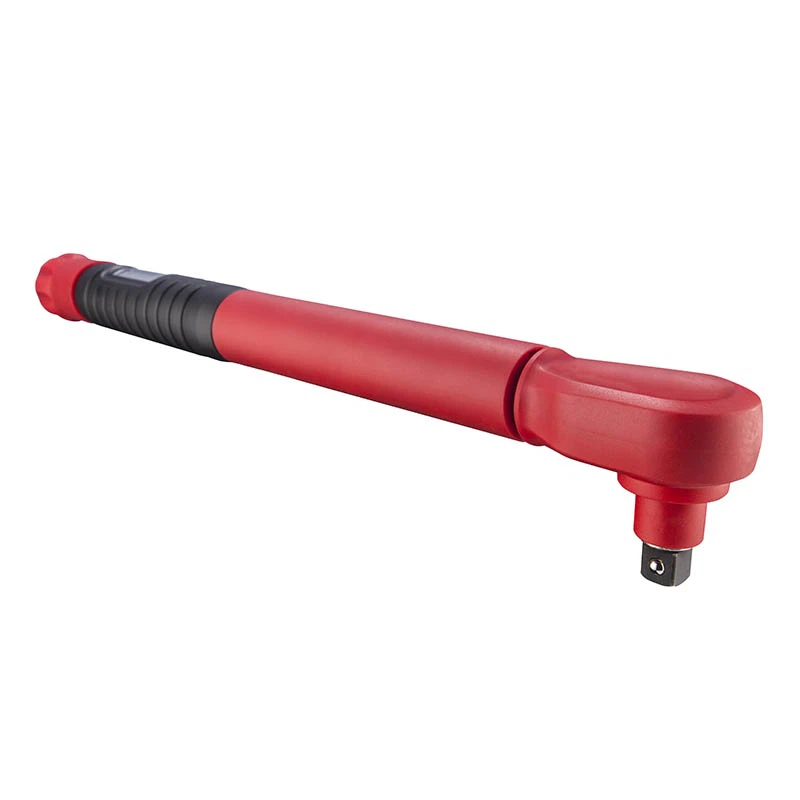
These extensions come in various lengths and sizes to suit different needs, and they are often used in combination with VDE Insulated Torque Wrenches to ensure accurate torque application in electrical installations and maintenance. VDE Insulated Hybrid Extension Bars are another type of extension that combines the benefits of insulation with enhanced durability and strength.
Visual Inspection
The first step in testing the functionality of VDE Insulated Extensions is a thorough visual inspection. This involves checking the extension for any signs of damage, such as cracks, cuts, or abrasions in the insulation. Even a small defect in the insulation can compromise its effectiveness and pose a safety risk.
During the visual inspection, I also look for any signs of wear and tear on the metal parts of the extension, such as the socket end or the drive end. These parts should be in good condition and free from any corrosion or deformation that could affect their performance.
Insulation Resistance Testing
Once the visual inspection is complete, the next step is to test the insulation resistance of the extension. Insulation resistance is a measure of how well the insulating material prevents the flow of electrical current. A high insulation resistance indicates that the insulation is working effectively, while a low resistance could indicate a problem.
To test the insulation resistance, I use a specialized insulation resistance tester. This device applies a known voltage to the extension and measures the resulting current flow. The tester then calculates the insulation resistance based on Ohm's law (R = V/I).
The insulation resistance of VDE Insulated Extensions should meet the specific requirements set by the VDE standard. For example, for extensions rated for use at voltages up to 1000V, the insulation resistance should be at least 10 megohms. If the measured insulation resistance is below the required value, the extension should not be used and should be either repaired or replaced.
Dielectric Strength Testing
In addition to insulation resistance testing, VDE Insulated Extensions also need to undergo dielectric strength testing. Dielectric strength is the ability of the insulating material to withstand a high voltage without breaking down. This test is important because it ensures that the extension can safely handle the electrical stresses it may encounter in real-world applications.
To perform dielectric strength testing, I use a high-voltage test set. This device applies a specified voltage to the extension for a certain period of time, typically one minute. During this time, I monitor the extension for any signs of electrical breakdown, such as arcing or sparking.
The voltage applied during dielectric strength testing is higher than the rated voltage of the extension. For example, for extensions rated for use at 1000V, the test voltage may be 1500V or higher. If the extension passes the dielectric strength test without any signs of breakdown, it is considered to have sufficient dielectric strength and is safe for use.
Mechanical Testing
In addition to electrical testing, VDE Insulated Extensions also need to be tested for their mechanical performance. This includes testing the torque capacity of the extension, as well as its ability to withstand repeated use and mechanical stress.
To test the torque capacity, I use a torque wrench calibration device. This device allows me to apply a known torque to the extension and measure the resulting torque output. The torque capacity of the extension should be within the specified range for its size and rating.
I also perform a series of mechanical stress tests on the extension, such as bending and twisting tests. These tests simulate the real-world conditions that the extension may encounter during use and help to ensure that it can withstand these stresses without breaking or deforming.
Final Inspection and Certification
After all the testing is complete, I perform a final inspection of the extension to ensure that it meets all the requirements and standards. If the extension passes all the tests and inspections, it is marked with the VDE certification mark, indicating that it has been tested and approved for use in electrical applications.
The VDE certification mark is a guarantee of quality and safety, and it gives customers confidence that the extension they are purchasing meets the highest standards. It also ensures that the extension is compliant with the relevant safety regulations and requirements.
Conclusion
Testing the functionality of VDE Insulated Extensions is a critical process that ensures the safety and reliability of these tools. By following the procedures outlined in this blog post, I am able to provide my customers with high-quality extensions that meet the highest standards of performance and safety.
If you are in the market for VDE Insulated Extensions or other VDE Insulated Tools, I encourage you to contact me to discuss your specific needs. I am committed to providing the best products and services to my customers, and I would be happy to help you find the right tools for your application.
References
- VDE Standards for Electrical Insulated Tools
- Manufacturer's Specifications for VDE Insulated Extensions
- Industry Best Practices for Testing Electrical Insulated Tools