

Disposing of old insulated drive adapters is a crucial concern for many, especially for those in the electrical and maintenance industries. As a supplier of Insulated Drive Adapters, I often receive inquiries about the proper methods of getting rid of these used tools. In this blog post, I'll share some insights and guidelines on how to dispose of old insulated drive adapters in an environmentally friendly and compliant manner.
Understanding Insulated Drive Adapters
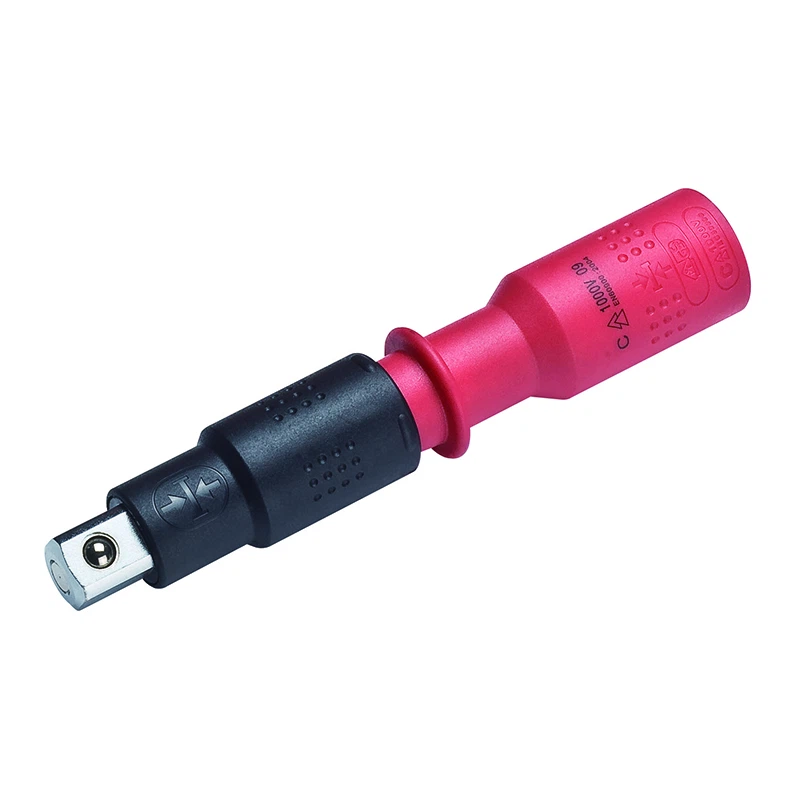
Before delving into the disposal methods, it's essential to understand what insulated drive adapters are and why they are significant. Insulated drive adapters are tools designed to provide an extra layer of protection when working with electrical equipment. They are typically used in conjunction with VDE Insulated Torque Wrenches and VDE Insulated Extensions to ensure safety in high - voltage environments. These adapters are made of materials that can withstand electrical currents and prevent electric shocks to the user.
Over time, however, these adapters can become worn out, damaged, or obsolete. When this happens, it's important to dispose of them properly to avoid potential safety hazards and environmental damage.
Reasons for Disposal
There are several reasons why you might need to dispose of old insulated drive adapters. Firstly, wear and tear is a common issue. Continuous use can cause the insulation to degrade, which reduces the effectiveness of the adapter in protecting against electrical currents. If the insulation is cracked, chipped, or otherwise damaged, it no longer provides the necessary safety barrier, and the adapter should be replaced.
Secondly, technological advancements can render old adapters obsolete. Newer models may offer better insulation, more precise torque control, or other features that make the older ones less efficient or safe to use. In such cases, upgrading to the latest equipment is advisable, and the old adapters need to be disposed of.
Environmental Impact of Improper Disposal
Improper disposal of insulated drive adapters can have significant environmental consequences. Many of these adapters contain materials such as plastics, metals, and sometimes even small amounts of hazardous substances. If these adapters are simply thrown into the regular trash, they can end up in landfills. Plastics can take hundreds of years to decompose, and metals can leach into the soil and groundwater, causing pollution.
Moreover, some of the insulating materials used in these adapters may release harmful chemicals when they break down in the environment. This can have a negative impact on local ecosystems, wildlife, and human health. Therefore, it's crucial to follow proper disposal procedures to minimize these environmental risks.

Proper Disposal Methods
Recycling
Recycling is one of the most environmentally friendly ways to dispose of old insulated drive adapters. Many components of these adapters, such as metals and some plastics, can be recycled and reused in the manufacturing of new products. To recycle your old adapters, you can start by contacting local recycling centers. Some recycling facilities specialize in electronic waste or industrial tools and may accept insulated drive adapters.
Before sending your adapters to a recycling center, it's a good idea to clean them thoroughly to remove any dirt, grease, or other contaminants. You should also separate any removable parts, such as batteries or small attachments, as these may need to be recycled separately.
Return to the Manufacturer
Some manufacturers offer take - back programs for their products. As a supplier, I understand the importance of responsible product lifecycle management. Many of the manufacturers we work with have initiatives in place to collect old insulated drive adapters from customers. These programs ensure that the adapters are properly disassembled, and the materials are recycled or reused in an environmentally friendly way.
If you're unsure whether your adapter's manufacturer has a take - back program, you can check their website or contact their customer service. They will be able to provide you with detailed information on how to return the old adapters and what to expect during the process.
Donation or Resale
If your old insulated drive adapters are still in working condition but you no longer need them, you may consider donating them or selling them. There are many organizations, training institutions, or small businesses that may be in need of these tools. Donating your old adapters can help others who may not have the financial resources to purchase new equipment.
You can also try selling your used adapters through online marketplaces or auction sites. However, it's important to be honest about the condition of the adapters and any potential limitations. Make sure to provide clear pictures and a detailed description to avoid any misunderstandings with the buyer.
Regulatory Compliance
When disposing of old insulated drive adapters, it's important to comply with local, state, and federal regulations. Different regions may have specific rules regarding the disposal of electronic waste and industrial tools. These regulations are in place to protect the environment and public health.
Before disposing of your adapters, research the relevant regulations in your area. You may need to obtain certain permits or follow specific procedures. Non - compliance with these regulations can result in fines and other legal consequences.
Conclusion
Disposing of old insulated drive adapters is a responsibility that we all share. As a supplier, I encourage all users of these tools to take the proper steps to ensure that their old adapters are disposed of in an environmentally friendly and compliant manner. Whether it's through recycling, returning to the manufacturer, donating, or reselling, there are several options available to us.
By choosing the right disposal method, we can not only protect the environment but also contribute to the sustainable use of resources. If you have any questions about disposing of your old insulated drive adapters or if you're interested in purchasing new ones, feel free to reach out. We're here to help you make the best decisions for your safety and the environment.
References
- Environmental Protection Agency guidelines on electronic waste disposal
- Industry standards for the disposal of electrical tools and equipment