

Do VDE Insulated Ratchets need regular calibration?
As a supplier of VDE Insulated Ratchets, I often encounter questions from customers regarding the necessity of regular calibration for these essential tools. In this blog post, I will delve into the topic, exploring the reasons behind calibration, the frequency at which it should be carried out, and the impact of calibration on the performance and safety of VDE Insulated Ratchets.
Understanding VDE Insulated Ratchets
Before we discuss calibration, it's important to understand what VDE Insulated Ratchets are and their significance in electrical work. VDE, which stands for Verband der Elektrotechnik, is a German association that sets standards for electrical safety. VDE Insulated Ratchets are specifically designed to provide protection against electric shock when working on live electrical systems. These tools are insulated with a special material that meets the VDE standards, ensuring that they can be used safely in environments where there is a risk of electrical contact.
The insulation on VDE Insulated Ratchets is crucial for preventing electrical current from passing through the tool and into the user's body. This insulation can degrade over time due to factors such as wear and tear, exposure to chemicals, and physical damage. As a result, regular calibration is necessary to ensure that the insulation remains effective and that the tool continues to provide the required level of protection.
The Importance of Calibration
Calibration is the process of comparing the performance of a tool against a known standard to determine its accuracy. In the case of VDE Insulated Ratchets, calibration involves testing the insulation resistance of the tool to ensure that it meets the VDE standards. This is important for several reasons:

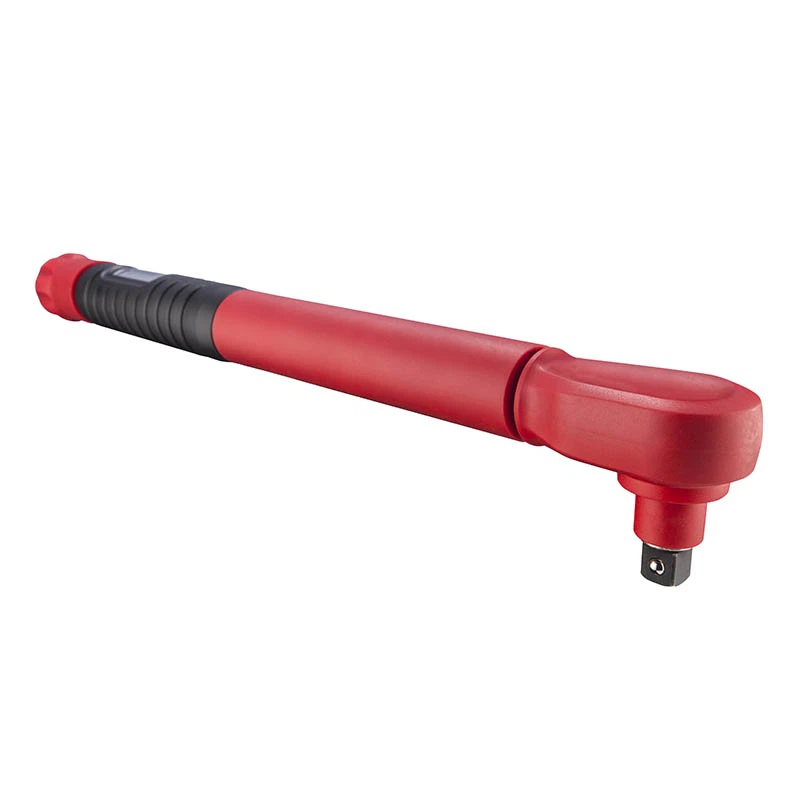
Safety: The primary purpose of VDE Insulated Ratchets is to protect the user from electric shock. If the insulation resistance of the tool falls below the required level, there is a risk of electrical current passing through the tool and into the user's body, which can result in serious injury or even death. Regular calibration helps to ensure that the insulation remains effective and that the tool continues to provide the necessary level of protection.
Compliance: Many industries and regulatory bodies require the use of calibrated tools to ensure compliance with safety standards. By calibrating VDE Insulated Ratchets regularly, you can demonstrate that you are using tools that meet the required safety standards, which can help you to avoid fines and legal issues.
Performance: In addition to safety, calibration can also have an impact on the performance of VDE Insulated Ratchets. Over time, the internal components of the tool can wear out, which can affect its accuracy and reliability. By calibrating the tool regularly, you can identify any issues with the internal components and have them repaired or replaced before they cause problems.
How Often Should VDE Insulated Ratchets be Calibrated?
The frequency at which VDE Insulated Ratchets should be calibrated depends on several factors, including the frequency of use, the environment in which the tool is used, and the manufacturer's recommendations. In general, it is recommended that VDE Insulated Ratchets be calibrated at least once a year. However, if the tool is used frequently or in harsh environments, it may need to be calibrated more often.
Some manufacturers may also provide specific guidelines on the calibration frequency for their VDE Insulated Ratchets. It is important to follow these guidelines to ensure that the tool remains in compliance with the VDE standards and that it continues to provide the required level of protection.
The Calibration Process
The calibration process for VDE Insulated Ratchets typically involves the following steps:
Visual Inspection: Before the tool is calibrated, it is important to perform a visual inspection to check for any signs of damage or wear. This includes checking the insulation for cracks, cuts, or other damage, as well as checking the internal components of the tool for signs of wear or damage.
Insulation Resistance Testing: The next step in the calibration process is to test the insulation resistance of the tool. This is typically done using a specialized insulation resistance tester, which measures the resistance of the insulation to electrical current. The insulation resistance of the tool should be tested at several points along the length of the tool to ensure that the insulation is uniform and that there are no areas of low resistance.
Torque Testing: In addition to insulation resistance testing, it is also important to test the torque accuracy of the tool. This is typically done using a torque tester, which measures the amount of torque applied by the tool. The torque accuracy of the tool should be tested at several different torque settings to ensure that it is accurate and consistent.
Adjustment and Repair: If the insulation resistance or torque accuracy of the tool is found to be outside of the acceptable range, the tool may need to be adjusted or repaired. This may involve replacing the insulation, adjusting the internal components of the tool, or performing other repairs as necessary.
Certification: Once the tool has been calibrated and any necessary adjustments or repairs have been made, it should be certified to indicate that it has been calibrated and that it meets the required standards. The certification should include the date of calibration, the results of the calibration tests, and the name of the calibration laboratory.
The Impact of Calibration on the Performance and Safety of VDE Insulated Ratchets
Regular calibration can have a significant impact on the performance and safety of VDE Insulated Ratchets. By ensuring that the insulation resistance and torque accuracy of the tool are within the acceptable range, calibration helps to ensure that the tool continues to provide the required level of protection and that it performs accurately and reliably.
In addition to improving the performance and safety of the tool, calibration can also help to extend its lifespan. By identifying and addressing any issues with the tool early on, calibration can prevent further damage and wear, which can help to keep the tool in good condition for longer.
Conclusion
In conclusion, regular calibration is essential for ensuring the performance and safety of VDE Insulated Ratchets. By calibrating these tools regularly, you can ensure that they remain in compliance with the VDE standards, that they continue to provide the required level of protection, and that they perform accurately and reliably.
If you are in the market for VDE Insulated Ratchets or other VDE Insulated Torque Wrenches and VDE Insulated Hybrid Extension Bars, I encourage you to consider our products. We are a leading supplier of high-quality VDE Insulated tools, and we are committed to providing our customers with the best possible products and services. If you have any questions or would like to discuss your specific needs, please do not hesitate to contact us. We look forward to working with you to meet your tooling requirements.
References
- Verband der Elektrotechnik (VDE) Standards for Electrical Safety
- Manufacturer's Guidelines for VDE Insulated Ratchets
- Industry Best Practices for Tool Calibration