

Yo, folks! As a supplier of VDE Insulated Extensions, I often get asked a bunch of questions about these tools. One question that pops up quite a bit is, "Do VDE insulated extensions work in cold temperatures?" Let's dig into this topic and find out the real deal.
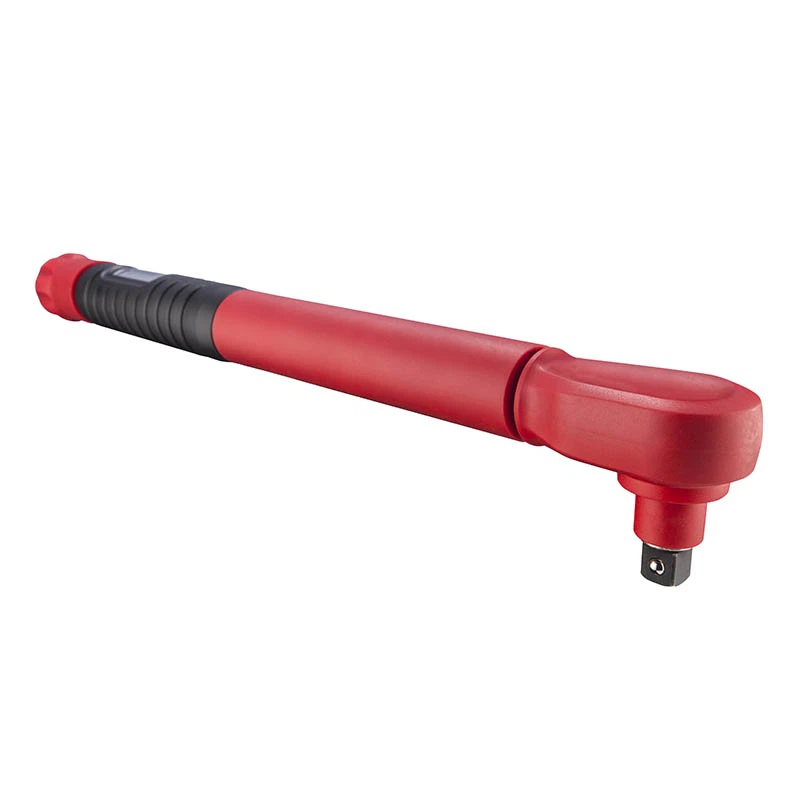
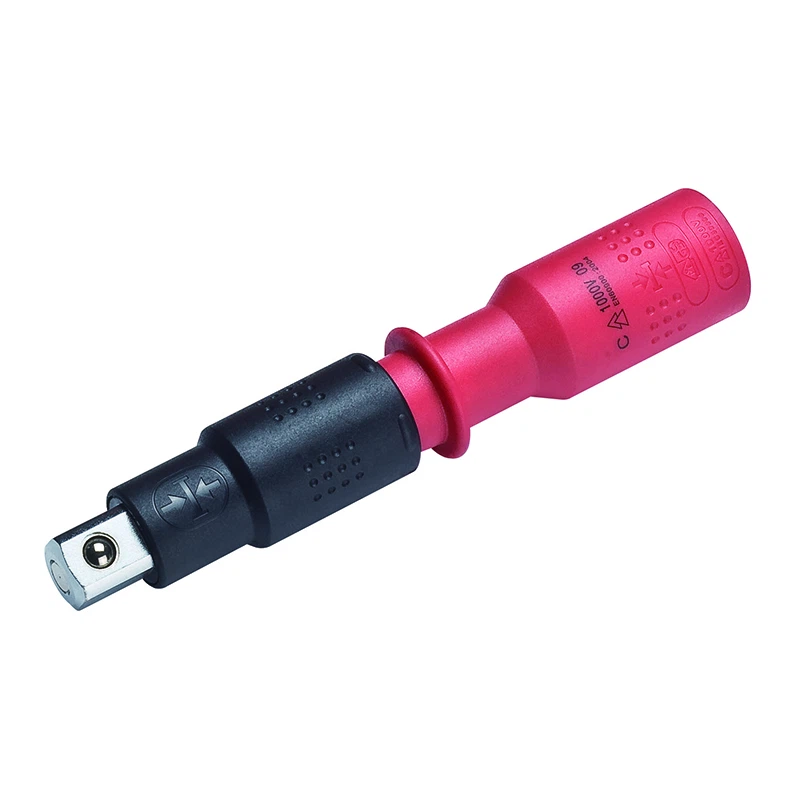
First off, let's understand what VDE insulated extensions are. These are essential tools in the electrical and industrial fields. They're designed to provide extra reach when you're working with VDE Insulated Torque Wrenches and other related equipment. The VDE insulation is a key feature, as it helps protect the user from electrical shocks. It's a safety measure that's crucial in any electrical work environment.
Now, let's talk about cold temperatures. Cold can have a big impact on all sorts of materials and tools. When it comes to VDE insulated extensions, the main concern is how the insulation material holds up. Most VDE insulated extensions are made with high - quality insulation materials that are engineered to have good performance over a range of temperatures.
The insulation materials used in these extensions are usually some kind of rubber or plastic compounds. These materials are chosen because they have good electrical insulating properties. But in cold temperatures, rubber and plastic can become more brittle. When a material gets brittle, it's more likely to crack or break. And if the insulation on a VDE insulated extension cracks, it can compromise the safety of the tool.
However, modern VDE insulated extensions are designed to handle a certain degree of cold. Manufacturers test these tools in different temperature conditions to make sure they meet safety standards. For example, many VDE insulated extensions are rated to work in temperatures as low as - 20°C or even lower. This means that in most normal cold - weather working conditions, these extensions should still be able to do their job.
But there are some things to keep in mind. If you're working in extremely cold temperatures, say well below the rated temperature of the tool, you might start to see some issues. The insulation might become stiffer, which could make it more difficult to bend or maneuver the extension. And as I mentioned earlier, there's an increased risk of cracking.
Another factor to consider is how the cold affects the metal parts of the extension. Metal contracts in cold temperatures. This can cause some minor changes in the dimensions of the tool. For example, the fit between the extension and the torque wrench or other components might become a bit tighter. This isn't usually a huge problem, but it's something to be aware of.
If you're using VDE Insulated T - handle along with the extensions in cold weather, the same principles apply. The T - handle also has insulation, and it needs to be protected from the cold as well.
So, what can you do to make sure your VDE insulated extensions work well in cold temperatures? First, always check the manufacturer's specifications. Make sure you know the minimum temperature the tool is rated for. If you're going to be working in cold conditions, try to keep the tools warm as much as possible. You can store them in a heated area when they're not in use.
When you're out in the cold, handle the tools gently. Avoid any sudden impacts or bends that could cause the insulation to crack. And if you notice any signs of damage, like cracks or chips in the insulation, don't use the tool. It's better to be safe than sorry when it comes to electrical safety.
In summary, VDE insulated extensions can work in cold temperatures, but there are some limitations. As long as you stay within the rated temperature range and take proper care of the tools, they should be able to perform their job effectively and safely.
If you're in the market for high - quality VDE insulated extensions, I've got you covered. We offer a wide range of VDE Insulated Extensions that are designed to meet the highest safety standards. Whether you're working in normal conditions or in a bit of cold weather, our tools are built to last. If you're interested in learning more or want to discuss your specific needs, feel free to reach out. We're always happy to help you find the right tools for your job.
References
- Manufacturer specifications of VDE insulated extensions
- Industry research on the effects of cold temperatures on insulation materials