

Can VDE Insulated Ratchets be used for aviation electrical work?
In the highly specialized field of aviation electrical work, the selection of tools is a critical decision that can significantly impact safety, efficiency, and the overall quality of the work performed. As a supplier of VDE Insulated Ratchets, I often encounter inquiries regarding the suitability of these tools for aviation electrical applications. In this blog post, I will delve into the technical specifications, safety standards, and practical considerations to determine whether VDE Insulated Ratchets can be effectively used in aviation electrical work.
Understanding VDE Insulated Ratchets
VDE Insulated Ratchets are a type of hand tool designed with insulation properties that meet the standards set by the Verband der Elektrotechnik (VDE), a German association that establishes safety standards for electrical equipment. These ratchets are typically used in electrical work to protect the user from electrical shocks when working on live circuits. The insulation material used in VDE Insulated Ratchets is carefully selected and tested to ensure it can withstand a certain level of electrical voltage without breaking down.
The VDE Insulated Ratchets offered by our company are made with high - quality insulation materials that provide reliable protection. They are available in various sizes and torque ratings to suit different types of electrical work. The ratcheting mechanism allows for easy tightening and loosening of nuts and bolts, making them a versatile tool in any electrical toolkit.
Aviation Electrical Work Requirements
Aviation electrical work is a unique and demanding field. Aircraft electrical systems are complex, operating at different voltages and frequencies, and are subject to strict safety regulations. The Federal Aviation Administration (FAA) in the United States and the European Union Aviation Safety Agency (EASA) in Europe have established comprehensive standards for aviation electrical maintenance and repair.
One of the primary concerns in aviation electrical work is the prevention of electrical arcing, short - circuits, and electromagnetic interference (EMI). Electrical arcing can cause damage to sensitive avionics components, while short - circuits can lead to system failures and potentially endanger the safety of the aircraft and its passengers. EMI can disrupt communication and navigation systems, which are crucial for flight safety.
In addition to safety, precision is also a key requirement in aviation electrical work. Many aircraft electrical components are small and require precise torque when tightening or loosening fasteners. Over - tightening or under - tightening can lead to component failure or improper operation.
Compatibility of VDE Insulated Ratchets with Aviation Electrical Work
Safety Considerations
The insulation provided by VDE Insulated Ratchets can offer a certain level of protection against electrical shocks in aviation electrical work. However, it is important to note that aviation electrical systems often operate at high voltages and frequencies that may exceed the standard ratings of VDE Insulated Ratchets. For example, some aircraft electrical systems can operate at voltages up to 28 volts DC or 115 volts AC at 400 Hz. While VDE Insulated Ratchets are designed to protect against electrical shocks, they may not be able to withstand the unique electrical characteristics of aviation systems.

Moreover, aviation electrical work often involves working in close proximity to sensitive avionics components. The insulation on VDE Insulated Ratchets must not only protect against electrical shocks but also prevent any potential damage to these components. Some insulation materials may produce static electricity or release particles that could interfere with the operation of avionics.
Precision and Torque Requirements
As mentioned earlier, precision is crucial in aviation electrical work. Our VDE Insulated Ratchets are available in different torque ratings, which can be adjusted to meet the specific requirements of different fasteners. However, aviation electrical components often have very precise torque specifications. In some cases, specialized torque wrenches may be required to ensure that the correct torque is applied. Our VDE Insulated Torque Wrenches can be a suitable option for aviation electrical work, as they are designed to provide accurate torque control.
Environmental Considerations
Aviation electrical work is often carried out in various environmental conditions, including high altitudes, extreme temperatures, and high humidity. VDE Insulated Ratchets must be able to withstand these harsh conditions without losing their insulation properties or mechanical integrity. The insulation materials used in our VDE Insulated Ratchets are tested to ensure they can perform well in a wide range of temperatures and humidity levels. However, additional precautions may be required when working in extreme environmental conditions.
Advantages of Using VDE Insulated Ratchets in Aviation Electrical Work
Despite the challenges, there are some advantages to using VDE Insulated Ratchets in aviation electrical work. Firstly, their insulation properties can provide an extra layer of protection for the technician when working on live circuits. This can reduce the risk of electrical shocks, which is a significant safety concern in any electrical work.
Secondly, the ratcheting mechanism of VDE Insulated Ratchets allows for quick and efficient tightening and loosening of nuts and bolts. This can save time and increase productivity, especially when working on multiple fasteners.
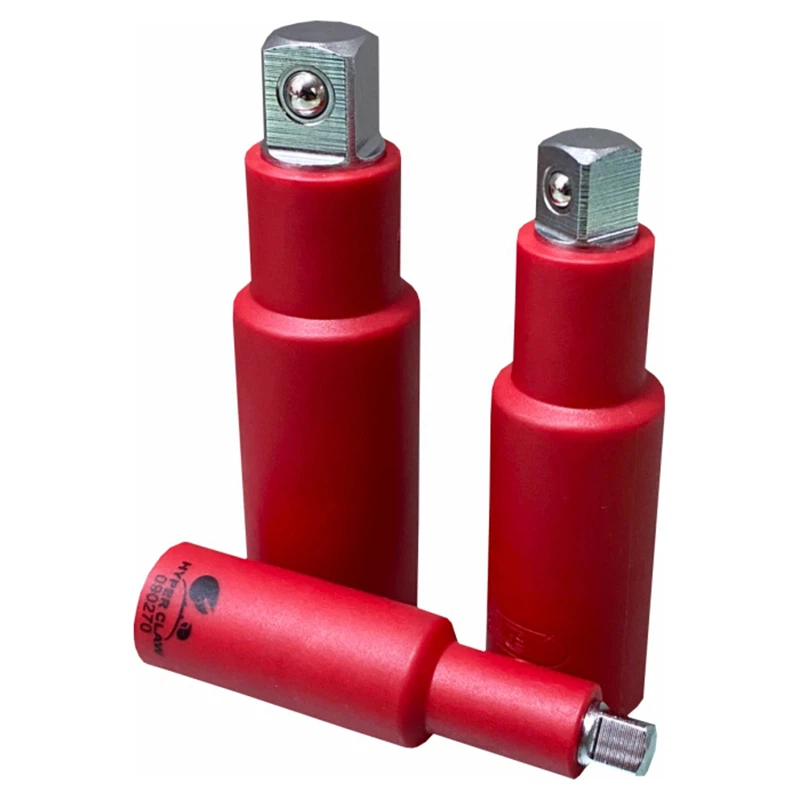
Thirdly, our VDE Insulated Hybrid Extension Bars can be used in conjunction with VDE Insulated Ratchets to reach fasteners in hard - to - access areas. This can be particularly useful in aviation electrical work, where many components are located in tight spaces.
Conclusion
In conclusion, while VDE Insulated Ratchets can offer some benefits in aviation electrical work, their use must be carefully considered. The unique electrical, precision, and environmental requirements of aviation electrical systems mean that these tools may not be suitable for all applications. However, with proper selection and use, VDE Insulated Ratchets, along with our VDE Insulated Torque Wrenches and VDE Insulated Hybrid Extension Bars, can be a valuable addition to an aviation electrical toolkit.
If you are involved in aviation electrical work and are considering using our VDE Insulated Ratchets or other related tools, I encourage you to contact us for more information. Our team of experts can provide you with detailed technical specifications and guidance on the proper use of these tools in your specific applications. We are committed to providing high - quality tools that meet the safety and performance requirements of the aviation industry.
References
- Federal Aviation Administration (FAA). FAA Regulations and Standards for Aviation Electrical Systems.
- European Union Aviation Safety Agency (EASA). EASA Certification Specifications for Aviation Electrical Equipment.
- Verband der Elektrotechnik (VDE). VDE Standards for Electrical Insulation in Hand Tools.