

Hey there! As a supplier of VDE Insulated Extensions, I often get asked a bunch of questions, and one that pops up quite a bit is, "Can VDE insulated extensions be used with lighting fixtures?" Well, let's dive right into this topic and break it down.
First off, let's talk a bit about what VDE insulated extensions are. VDE stands for Verband der Elektrotechnik, which is a German association that sets safety standards for electrical equipment. VDE insulated extensions are tools designed with insulation materials that meet these strict safety standards. They're built to protect users from electrical shocks when working with live electrical circuits.
Now, when it comes to using these extensions with lighting fixtures, the short answer is yes, but with some important considerations. Lighting fixtures are part of an electrical system, and just like any other electrical work, safety is the top priority.
One of the main reasons you might want to use VDE insulated extensions with lighting fixtures is when you're installing, repairing, or maintaining them. For instance, if you're replacing a light bulb in a high - ceilinged room and need to use an extension to reach the fixture, using a VDE insulated one can give you an extra layer of protection.
Let's take a look at some of the different types of VDE insulated extensions that could potentially be used with lighting fixtures. There's the VDE Insulated T - handle. This tool is handy when you need to turn screws or bolts in the lighting fixture. Its insulation ensures that even if you accidentally come into contact with a live wire while working, you'll be protected from electrical shock.
Another useful option is the VDE Insulated Hybrid Extension Bars. These bars can be extended to reach hard - to - access areas in lighting fixtures. Whether it's a recessed lighting fixture or one that's tucked away in a corner, these extensions can make your job a lot easier and safer.
And then there are the VDE Insulated Ratchets. They're great for tightening or loosening nuts and bolts in lighting fixtures. The insulation on these ratchets is crucial, especially when you're working in an environment where there's a risk of electrical contact.
However, it's not all sunshine and rainbows. There are some factors you need to keep in mind before using VDE insulated extensions with lighting fixtures.
The first is the voltage rating. Different lighting fixtures operate at different voltages. You need to make sure that the VDE insulated extensions you're using are rated for the voltage of the lighting circuit you're working on. Using an extension with a lower voltage rating than the circuit can be extremely dangerous and may result in the insulation breaking down, leading to an electrical shock.
Another important factor is the condition of the insulation. Over time, the insulation on these tools can wear out due to normal use, exposure to heat, or physical damage. Before using any VDE insulated extension, you should always inspect it for signs of damage such as cracks, cuts, or abrasions. If you notice any damage, don't use the tool. It's better to be safe than sorry.
Also, you need to follow the proper safety procedures. This includes turning off the power to the lighting circuit before starting any work. Even though VDE insulated extensions provide protection, it's still a good practice to eliminate the risk of electrical shock as much as possible. And make sure you're using the right tool for the job. Using the wrong size or type of extension can not only make the work more difficult but also increase the risk of an accident.
Let's talk about some real - world scenarios where using VDE insulated extensions with lighting fixtures can be beneficial. Imagine you're a professional electrician. You're called to a commercial building to replace a faulty lighting fixture. The fixture is located in a high - traffic area, and there's a chance that the power might accidentally be turned on while you're working. By using VDE insulated extensions, you can work with confidence, knowing that you're protected from electrical shock.
Or maybe you're a DIY enthusiast. You're installing some new pendant lights in your living room. You're not an expert electrician, but you've done some basic electrical work before. Using VDE insulated extensions can give you that extra peace of mind, allowing you to focus on getting the job done right.
In addition to safety, using VDE insulated extensions can also improve the quality of your work. They're designed to be precise and easy to use. For example, the VDE Insulated T - handle provides a good grip, allowing you to turn screws with more control. This can result in a more secure installation of the lighting fixture, reducing the risk of it coming loose over time.
Now, I know some of you might be thinking, "Are VDE insulated extensions really worth the investment?" Well, when it comes to electrical safety, you can't put a price on it. The cost of a VDE insulated extension is a small price to pay compared to the potential cost of an electrical accident, which could include medical bills, property damage, and even loss of life.
Moreover, these tools are built to last. They're made from high - quality materials, and the insulation is designed to withstand the rigors of regular use. So, in the long run, they can actually save you money by not having to replace them frequently.
If you're in the market for VDE insulated extensions for your lighting fixture work, I'd be more than happy to help. We have a wide range of products that meet the highest VDE safety standards. Whether you need a simple T - handle or a set of hybrid extension bars, we've got you covered.
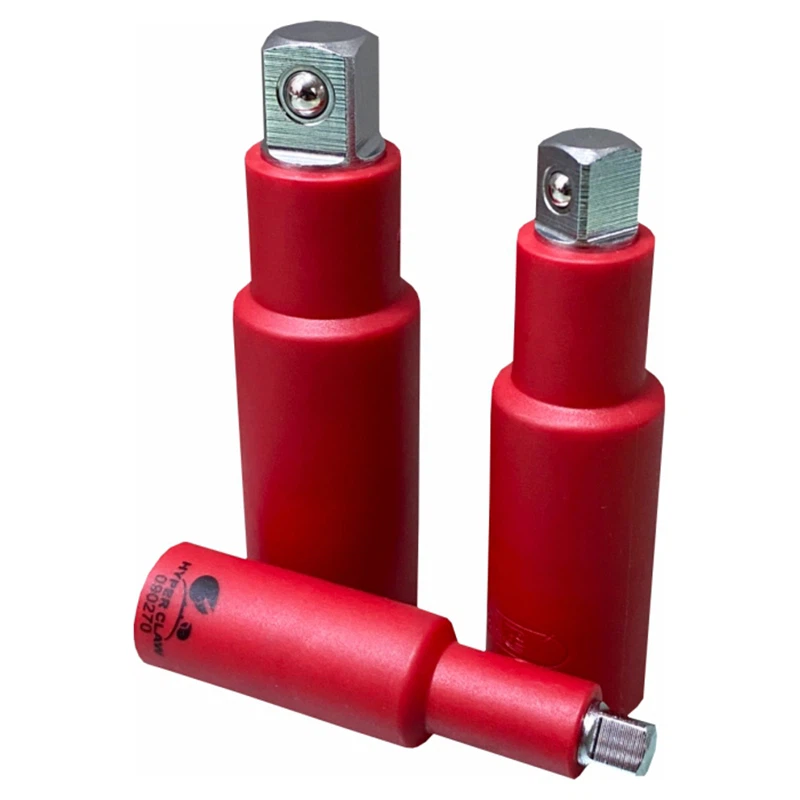

Contact us if you're interested in learning more about our products or if you have any questions about using VDE insulated extensions with lighting fixtures. We're here to provide you with the best solutions for your electrical work needs.
References
- Electrical Safety Standards Handbook
- VDE Association Publications on Insulated Tools
So, there you have it. VDE insulated extensions can definitely be used with lighting fixtures, but it's important to use them correctly and safely. If you have any more questions or need further advice, don't hesitate to reach out. Let's work together to make your electrical work safer and more efficient.