

When it comes to automotive work, having the right tools is crucial for ensuring efficiency, safety, and the quality of the job. As a supplier of VDE Nut Drivers, I often get asked whether these tools can be used for automotive applications. In this blog post, I'll explore the suitability of VDE Nut Drivers for automotive work, considering their features, advantages, and limitations.
Understanding VDE Nut Drivers
VDE, which stands for Verband der Elektrotechnik, Elektronik und Informationstechnik (Association for Electrical, Electronic & Information Technologies), is a German organization that sets safety standards for electrical tools. VDE Nut Drivers are insulated hand tools designed to provide protection against electric shock when working on live electrical circuits up to a certain voltage level. These tools are typically made with a high - quality insulating material on the handle, which meets strict VDE safety requirements.

The main purpose of VDE Nut Drivers is to tighten or loosen nuts and bolts in electrical installations. They come in various sizes and socket types to accommodate different nut and bolt dimensions. The tips of VDE Nut Drivers are usually made of hardened steel to ensure durability and a good grip on the fasteners.
Suitability of VDE Nut Drivers for Automotive Work
Advantages
- Insulation for Safety: One of the primary benefits of using VDE Nut Drivers in automotive work is the insulation. Modern vehicles are equipped with a complex electrical system, including high - voltage components in hybrid and electric cars. Working on these systems without proper insulation can be extremely dangerous. VDE Nut Drivers provide an extra layer of protection against electric shock, reducing the risk of injury to the user.
- Precision and Durability: VDE Nut Drivers are designed to provide a precise fit on nuts and bolts. The hardened steel tips ensure that they can withstand the torque required to tighten or loosen automotive fasteners. This precision helps in preventing damage to the fasteners, which is especially important in automotive applications where proper torque is crucial for the safety and performance of the vehicle.
- Versatility: These nut drivers come in a variety of sizes and socket types, making them suitable for a wide range of automotive tasks. Whether you are working on the engine, suspension, or electrical components, you can find a VDE Nut Driver that fits the specific nut or bolt you need to work on.
Limitations
- Specialized Automotive Requirements: While VDE Nut Drivers are versatile, some automotive applications may require specialized tools. For example, in high - performance or racing cars, there may be unique fasteners that require custom - made or specialized wrenches. Additionally, some automotive repair tasks may need tools with specific features, such as long - reach or adjustable torque settings, which may not be available in standard VDE Nut Drivers.
- Cost: VDE - certified tools are generally more expensive than non - certified ones. This is because of the additional manufacturing processes and quality control measures required to meet the VDE safety standards. For some automotive enthusiasts or small repair shops on a tight budget, the cost of VDE Nut Drivers may be a deterrent.
Common Automotive Applications for VDE Nut Drivers
- Electrical System Repairs: As mentioned earlier, the insulation feature of VDE Nut Drivers makes them ideal for working on the electrical components of a vehicle. This includes tasks such as replacing a battery, working on the alternator, or repairing the wiring harness. When working on these components, there is a risk of coming into contact with live electrical circuits, and using a VDE Nut Driver can provide the necessary safety.
- General Maintenance: VDE Nut Drivers can also be used for general maintenance tasks in the engine bay. For example, they can be used to tighten or loosen nuts and bolts on the air intake system, coolant hoses, or engine covers. Their precision and durability make them suitable for these types of tasks.
Other VDE Tools for Automotive Work
In addition to VDE Nut Drivers, there are other VDE - certified tools that can be useful in automotive work.

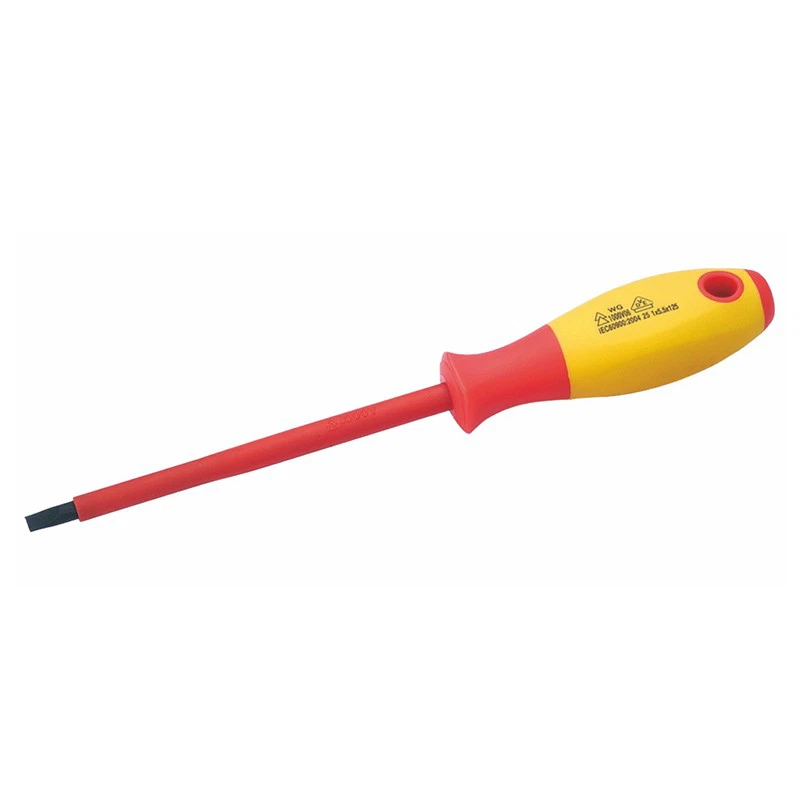
- VDE Slotted Screwdrivers: These are handy for removing or installing slotted screws in electrical components, dashboards, and other parts of the vehicle.
- VDE Phillips Screwdrivers: Phillips - head screws are commonly used in automotive applications. VDE Phillips Screwdrivers provide the necessary insulation and precision for working on these screws.
- VDE Precision Screwdrivers: When working on small electrical components or delicate parts of the vehicle, VDE Precision Screwdrivers are essential. They allow for precise control and help prevent damage to the screws and the surrounding components.
Making the Decision
Whether you should use VDE Nut Drivers for automotive work depends on your specific needs and circumstances. If you are primarily working on the electrical system of the vehicle or need a tool that provides extra safety and precision, VDE Nut Drivers are a great choice. However, if you are on a tight budget or need specialized tools for high - performance applications, you may need to consider other options.

Contact for Purchase and Consultation
If you are interested in purchasing VDE Nut Drivers or other VDE - certified tools for your automotive work, I encourage you to reach out for more information. We can discuss your specific requirements, provide product recommendations, and offer competitive pricing. Our team of experts is ready to assist you in finding the right tools for your automotive repair and maintenance needs.
References
- VDE Standards Handbook: This handbook provides detailed information on the safety requirements and testing procedures for VDE - certified tools.
- Automotive Repair Manuals: These manuals offer insights into the specific tools and techniques required for different automotive repair tasks.
- Industry Research Papers: Various research papers have been published on the safety and performance of hand tools in automotive and electrical applications.