

As a supplier of VDE Insulated Extensions, I often get asked about the recyclability of these essential tools. In the world of electrical work, VDE Insulated Extensions play a crucial role in ensuring safety and efficiency. But what happens to them at the end of their lifecycle? Can they be recycled? Let's delve into this topic and explore the possibilities.

Understanding VDE Insulated Extensions
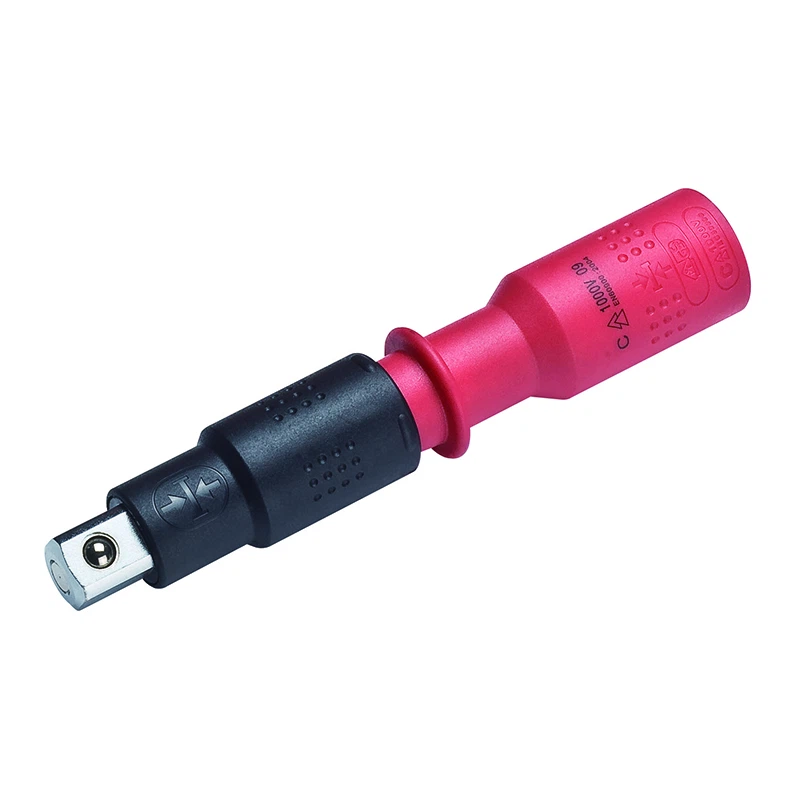
Before we discuss recyclability, it's important to understand what VDE Insulated Extensions are. VDE, which stands for Verband der Elektrotechnik, is a German association that sets standards for electrical safety. VDE Insulated Extensions are tools designed to provide additional reach when working with electrical components. They are insulated to protect the user from electrical shocks, making them a vital part of any electrician's toolkit.
These extensions are typically made from a combination of materials, including metal for the core and insulating materials such as plastic or rubber. The metal core provides strength and conductivity, while the insulation ensures safety. The specific materials used can vary depending on the manufacturer and the intended application.
The Recyclability of VDE Insulated Extensions
The recyclability of VDE Insulated Extensions depends on several factors, including the materials used in their construction and the recycling facilities available. Let's take a closer look at the different components and their recyclability.
Metal Components
The metal core of VDE Insulated Extensions is usually made from steel or other metals. Metals are highly recyclable materials. In fact, steel is one of the most recycled materials in the world. Recycling metal not only conserves natural resources but also reduces energy consumption and greenhouse gas emissions.
When VDE Insulated Extensions reach the end of their useful life, the metal components can be separated from the insulation and sent to a metal recycling facility. At the recycling plant, the metal is melted down and purified, and then used to create new products. This process can significantly reduce the environmental impact of producing new metal products.
Insulating Materials
The insulating materials used in VDE Insulated Extensions, such as plastic and rubber, are more challenging to recycle. Plastic and rubber recycling rates are generally lower than those of metals, due in part to the complexity of the recycling process and the wide variety of plastic and rubber types.
However, some types of plastic and rubber can be recycled. For example, certain types of thermoplastic polymers can be melted down and reprocessed into new plastic products. Rubber can also be recycled into products such as rubber mulch or new rubber components.
The key to recycling the insulating materials is to ensure that they are properly sorted and processed. This may require specialized recycling facilities that are equipped to handle these materials. Unfortunately, not all areas have access to such facilities, which can make recycling the insulating components of VDE Insulated Extensions more difficult.
Challenges in Recycling VDE Insulated Extensions
Despite the potential for recycling, there are several challenges that need to be addressed in order to effectively recycle VDE Insulated Extensions.
Material Complexity
As mentioned earlier, VDE Insulated Extensions are made from a combination of materials, including metal and insulation. Separating these materials can be a complex and time-consuming process. Specialized equipment and techniques are often required to ensure that the materials are properly separated without causing damage.
Lack of Awareness
Many people are not aware that VDE Insulated Extensions can be recycled. This lack of awareness can lead to these tools being discarded in landfills, where they can take up valuable space and potentially release harmful chemicals into the environment over time.
Limited Recycling Infrastructure
In some areas, there may be a lack of recycling facilities that are equipped to handle the specific materials used in VDE Insulated Extensions. This can make it difficult for consumers and businesses to recycle these tools, even if they are aware of the benefits of recycling.
Solutions and Initiatives
To overcome these challenges, several solutions and initiatives can be implemented.
Manufacturer Responsibility
Manufacturers of VDE Insulated Extensions can play a key role in promoting recycling. They can design their products with recyclability in mind, using materials that are easier to separate and recycle. Additionally, manufacturers can establish take-back programs, where they accept used tools from customers and ensure that they are properly recycled.
Education and Awareness
Educating consumers and businesses about the recyclability of VDE Insulated Extensions is crucial. This can be done through marketing campaigns, product labeling, and educational materials. By raising awareness, more people will be encouraged to recycle these tools and take steps to reduce their environmental impact.
Investment in Recycling Infrastructure
Governments and private organizations can invest in the development of recycling infrastructure. This includes building new recycling facilities and upgrading existing ones to handle the specific materials used in VDE Insulated Extensions. By improving the availability of recycling options, more people will be able to recycle these tools effectively.
Other VDE Insulated Tools and Their Recyclability
In addition to VDE Insulated Extensions, there are other VDE Insulated Tools that are commonly used in electrical work, such as VDE Insulated Ratchets and Insulated Drive Adapters. The recyclability of these tools follows similar principles as VDE Insulated Extensions.
The metal components of these tools are generally recyclable, while the insulating materials may present more challenges. However, with the right initiatives and infrastructure in place, it is possible to recycle these tools and reduce their environmental impact.
Conclusion
In conclusion, while VDE Insulated Extensions can be recycled, there are several challenges that need to be addressed in order to make recycling more widespread and effective. By working together, manufacturers, consumers, and governments can take steps to improve the recyclability of these tools and reduce their environmental impact.
As a supplier of VDE Insulated Extensions, I am committed to promoting sustainability and responsible waste management. If you have any questions about our products or the recycling process, please feel free to contact us. We are always happy to assist you with your procurement needs and provide you with more information about the environmental benefits of our products.
References
- American Iron and Steel Institute. (n.d.). Steel Recycling. Retrieved from [Website URL]
- Environmental Protection Agency. (n.d.). Recycling Basics. Retrieved from [Website URL]
- VDE. (n.d.). Standards and Certification. Retrieved from [Website URL]