

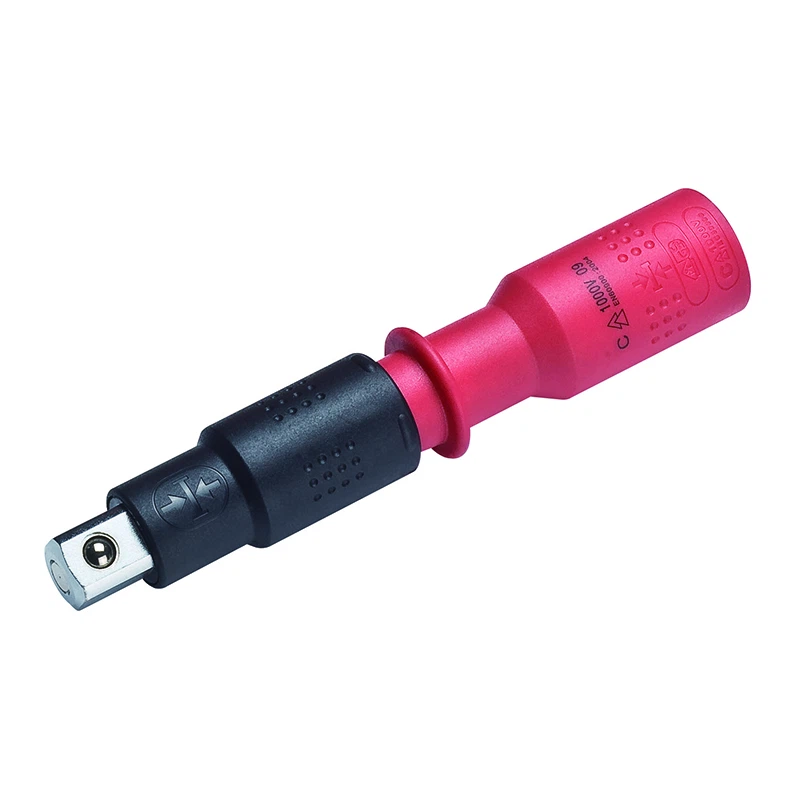
Insulated drive adapters are essential tools in many industries, especially those dealing with electrical work. As a supplier of these products, I've had the opportunity to interact with a wide range of customers, from professional electricians to DIY enthusiasts. In this blog, I'll explore the limitations of using insulated drive adapters, which is crucial for anyone considering their use.
Electrical Insulation Limitations
One of the primary functions of insulated drive adapters is to provide electrical insulation. While they are designed to protect users from electrical shocks, they have their limitations. Most insulated drive adapters are rated for a specific voltage level. For example, some may be rated for low - voltage applications, typically up to 1000V. In high - voltage environments, such as power substations where voltages can reach tens or even hundreds of thousands of volts, these standard insulated drive adapters are not suitable.
The insulation material used in these adapters can also degrade over time. Exposure to high temperatures, chemicals, or physical damage can compromise the integrity of the insulation. For instance, if an insulated drive adapter is used in an industrial environment where it is frequently exposed to corrosive chemicals, the insulation may start to break down, reducing its effectiveness in preventing electrical conduction. This can pose a serious safety risk to the user.
Torque and Durability Limitations
Another aspect to consider is the torque limitations of insulated drive adapters. These adapters are often made with a combination of insulating materials and metal components. The insulating materials, while providing electrical protection, may not be as strong as pure metal in terms of withstanding high torque. When using an insulated drive adapter with a high - torque tool, there is a risk of the adapter breaking or deforming.
For example, if you are using a VDE Insulated Torque Wrenches to tighten a large bolt, and the torque applied exceeds the rated capacity of the insulated drive adapter, the adapter may fail. This can not only damage the adapter but also lead to an incomplete or improper tightening of the bolt, which can have serious consequences in critical applications.
The durability of the adapter is also affected by its construction. The joints between the insulating and metal parts can be a weak point. Over time, repeated use and stress can cause these joints to loosen or break, further reducing the adapter's performance and lifespan.
Compatibility Limitations
Insulated drive adapters come in different sizes and shapes to fit various tools and fasteners. However, there can be compatibility issues. Some older or specialized tools may not be compatible with standard - sized insulated drive adapters. This can limit the usability of the adapter in certain situations.
For example, if you have a unique torque wrench with a non - standard socket size, finding a compatible Insulated Drive Adapters may be challenging. In some cases, you may need to purchase custom - made adapters, which can be expensive and time - consuming.
Environmental Limitations
The performance of insulated drive adapters can be significantly affected by the environment in which they are used. Extreme temperatures can impact the properties of the insulating material. In very cold conditions, the insulation may become brittle and more prone to cracking. On the other hand, in high - temperature environments, the insulation may soften, reducing its insulating properties.
Humidity can also be a problem. Moisture can penetrate the insulation, leading to a decrease in its electrical resistance. This is particularly dangerous in electrical work, as it can increase the risk of electrical shock. For example, if an insulated drive adapter is used in a damp basement or near a water source, the moisture can seep into the insulation and compromise its safety features.
Cost - Benefit Limitations
When considering the use of insulated drive adapters, cost is an important factor. Insulated drive adapters are generally more expensive than non - insulated ones. This is due to the additional cost of the insulating materials and the manufacturing processes involved. For some low - risk applications where the chance of electrical contact is minimal, the cost of using an insulated drive adapter may not be justified.
However, it's important to note that in high - risk electrical work, the cost of not using an insulated drive adapter can be much higher. A single electrical accident can result in serious injury, property damage, and legal liabilities. So, it's a balance between the cost of the adapter and the potential risks associated with not using it.
Overcoming the Limitations
Despite these limitations, there are ways to mitigate them. Regular inspection and maintenance of the insulated drive adapters can help identify any signs of damage or degradation early on. This includes checking for cracks, wear, and changes in the insulation's appearance. If any issues are detected, the adapter should be replaced immediately.
When selecting an insulated drive adapter, it's crucial to choose one that is rated for the specific voltage, torque, and environmental conditions of the application. For high - voltage work, look for adapters with a higher voltage rating. For high - torque applications, choose adapters made from more durable materials or those specifically designed for high - torque use.
Using VDE Insulated Extensions in combination with insulated drive adapters can also provide additional protection and flexibility. These extensions can help in reaching hard - to - access areas while maintaining the electrical insulation.
Conclusion
In conclusion, while insulated drive adapters are valuable tools for electrical work, they do have limitations. Understanding these limitations is essential for ensuring the safe and effective use of these adapters. As a supplier, I always recommend that customers carefully assess their specific needs and the conditions in which the adapters will be used.
If you are in the market for insulated drive adapters or have any questions about their limitations and how to overcome them, I encourage you to contact me for a detailed discussion. We can work together to find the best solutions for your electrical work requirements.

References
- Electrical Safety Standards Handbook
- Torque Tool Manufacturer's Guidelines
- Insulation Material Technical Data Sheets