

Insulated drive adapters are a crucial component in various industrial settings, offering both safety and functionality. As a leading supplier of insulated drive adapters, I often receive inquiries about their suitability for use in food processing environments. In this blog post, I will delve into the key factors to consider when determining whether insulated drive adapters are appropriate for such settings.
Safety Requirements in Food Processing
Food processing environments are subject to strict safety and hygiene regulations. These regulations are in place to ensure the safety of the food products and the well - being of the workers. One of the primary concerns is the prevention of contamination. Any tool or equipment used in these environments must be designed to minimize the risk of introducing foreign substances into the food.
Insulated drive adapters are typically made from materials that can be easily cleaned and disinfected. For example, many of our adapters are constructed with high - quality polymers that are resistant to common cleaning agents used in food processing. This allows for regular and thorough cleaning to prevent the buildup of bacteria and other contaminants.
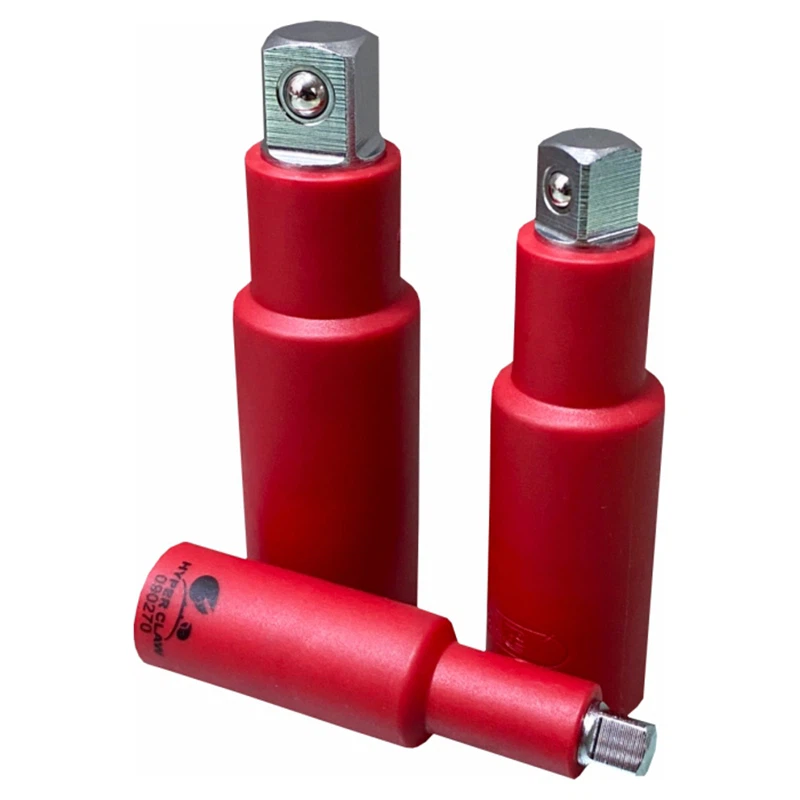

In addition to contamination prevention, electrical safety is also a significant concern. Food processing facilities often use a variety of electrical equipment, and there is a risk of electrical shock if the tools are not properly insulated. Insulated drive adapters provide an extra layer of protection against electrical hazards, reducing the risk of workers.
Compatibility with Food6.6 kV, 10 kV, 20 kV, 36 kV, and 40.5 kV Voltages
Our insulated drive adapters are designed to be compatible with a wide range of voltages, including 6.6 kV, 10 kV, 20 kV, 36 kV, and 40.5 kV. This versatility makes them suitable for use in different food processing facilities, which may have varying electrical requirements.
The insulation properties of our adapters are carefully engineered to withstand these high voltages. We use advanced insulation materials and manufacturing techniques to ensure that the adapters provide reliable protection against electrical shock. This is particularly important in food processing environments, where electrical equipment is often in close proximity to water and other conductive substances.
Resistance to Harsh Chemicals and Corrosion
Food processing facilities use a variety of chemicals for cleaning and sanitizing purposes. These chemicals can be harsh and corrosive, and they can damage ordinary tools over time. Our insulated drive adapters are designed to be resistant to a wide range of chemicals, including acids, alkalis, and disinfectants.
This resistance to chemicals ensures that the adapters can withstand the rigorous cleaning and sanitization processes required in food processing environments. It also extends the lifespan of the adapters, reducing the need for frequent replacements.
Hygiene and Cleanability
Hygiene is of utmost importance in food processing. Our insulated drive adapters are designed with smooth surfaces and minimal crevices, making them easy to clean. The materials used in their construction are non - porous, which prevents the absorption of food particles and bacteria.
Regular cleaning and disinfection of the adapters are essential to maintain a hygienic environment. We recommend using mild detergents and disinfectants that are approved for use in food processing facilities. By following proper cleaning procedures, the risk of contamination can be significantly reduced.
Availability of Different Sizes and Configurations
We understand that different food processing applications may require different sizes and configurations of insulated drive adapters. That's why we offer a wide range of options to meet the specific needs of our customers. Whether you need a small adapter for a delicate task or a larger one for heavy - duty applications, we have you covered.
Our product range includes VDE Insulated Hybrid Extension Bars, [VDE Insulated Rat ](https://www设计与1 workflow=edit "V
V [ proteins to input=/vde-insulated-tools/vde-torque-wrench-ratchet-and-other-components/vde-insulated-ratchets.html) and VDE Insulated T - handle. These products are designed to provide maximum flexibility and functionality in foodResultst2.html "在这个=" " ratchets/vde-insulated-tools/vde-torque-wrench-ratchet-and-other-components/vde-insulated-ratchets.html), and VDE Insulated T - handle. These products are designed to provide maximum flexibility and functionality in various food processing tasks.
Cost - Effectiveness
When considering the use of insulated drive adapters in a food processing environment, cost - effectiveness is an important factor. Our insulated drive adapters offer a good balance between quality and price. Their durability and resistance to wear and tear mean that they have a long lifespan, reducing the need for frequent replacements.
In addition, the enhanced safety features of our adapters can help prevent accidents and downtime, which can result in significant cost savings in the long run. By investing in high - quality insulated drive adapters, food processing facilities can improve their operational efficiency and reduce the overall cost of tool maintenance.
Conclusion
In conclusion, insulated drive adapters are suitable for use in a food processing environment. They offer a high level of safety, compatibility with different voltages, resistance to harsh chemicals, and excellent cleanability. Our wide range of products, including VDE Insulated Hybrid Extension Bars, VDE Insulated Ratchets, and VDE Insulated T - handle, can meet the diverse needs of food processing facilities.
If you are in the food processing industry and are interested in learning more about our insulated drive adapters, we encourage you to contact us for a detailed discussion. Our team of experts is ready to assist you in selecting the right products for your specific requirements.
References
- Food Safety and Inspection Service. (Year). Guidelines for Hygiene in Food Processing Facilities.
- Electrical Safety Standards for Industrial Equipment. (Year). National Electrical Code.